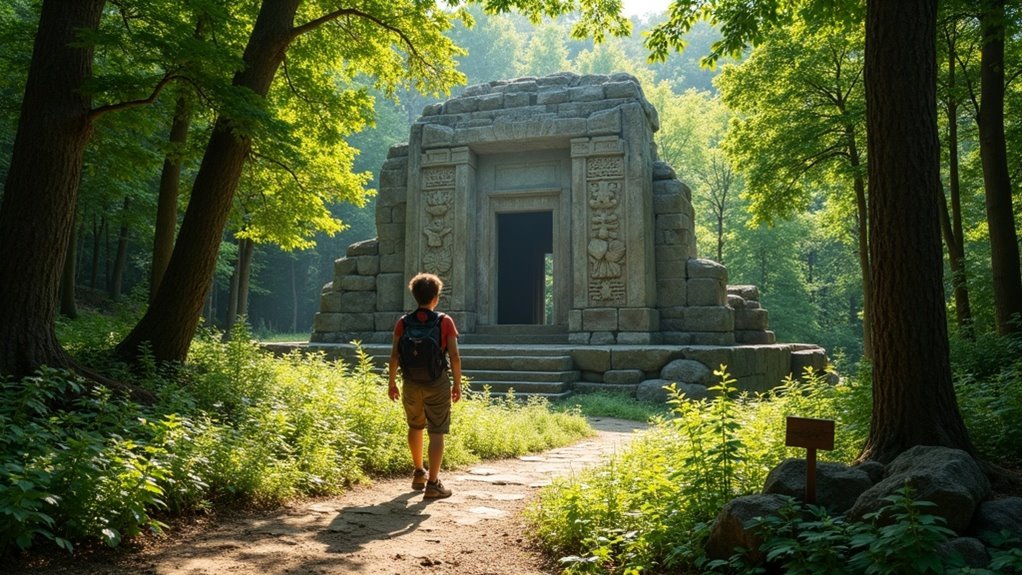
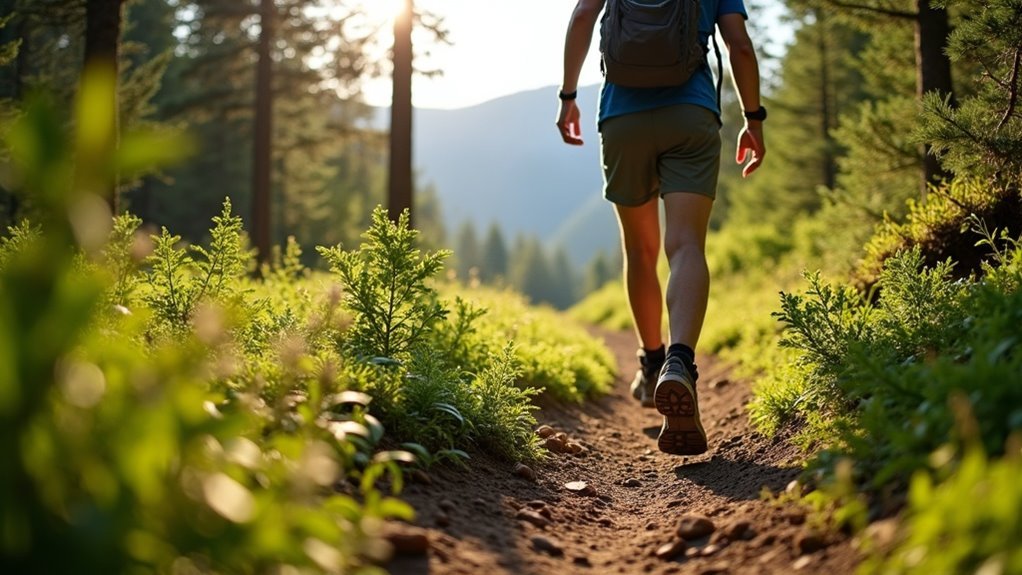
Hiking will definitely tone your legs! It engages key muscles like your glutes, quads, and hamstrings, especially when you’re on uphill trails or uneven terrain. This boosts calorie burn and enhances muscle strength. Plus, the added challenge of carrying a weighted pack can amplify your results. So, if you’re looking to strengthen and shape your legs while enjoying the great outdoors, hiking is a fantastic choice. There’s even more to discover about how to maximize your hiking experience!
Key Takeaways
- Hiking engages major leg muscles like glutes, quadriceps, and hamstrings, contributing to leg toning.
- Uneven terrain increases calorie burn and activates stabilizing muscles, enhancing muscle definition.
- Uphill hiking specifically targets glutes and quads, improving leg strength and tone.
- Carrying a weighted pack boosts resistance, leading to greater muscle engagement and toning.
- Regular hiking improves balance and stability, further supporting overall leg development.
Understanding the Leg Muscles Engaged While Hiking
When you hit the trails, your legs are put to work in a way that’s both challenging and rewarding. Hiking primarily engages major leg muscles like your glutes, quadriceps, hamstrings, and calves, making it an effective workout for your lower body.
As you trek uphill, your gluteus maximus helps power hip extension, enhancing strength and stability. The quadriceps work hard during ascents and descents, promoting growth and preventing knee buckling.
Don’t forget your hamstrings—they support movement and flexibility. Plus, traversing uneven terrain activates smaller stabilizing muscles in your hips and ankles, making your legs stronger and more coordinated.
The Impact of Terrain on Muscle Toning
While hiking on diverse terrains may initially seem intimidating, it greatly enhances your leg muscle toning efforts.
Maneuvering uneven terrain can burn 28% more calories than flat walking, effectively engaging major muscle groups like your quads, hamstrings, and glutes. As you tackle inclines and descents, your legs work harder, with eccentric contractions maximizing muscle toning.
Plus, varied terrain activates stabilizing muscles around your hips, knees, and ankles, boosting overall strength. If you carry a weighted pack, you’ll increase resistance, supercharging your workout.
Embrace the challenge; your legs will thank you for the toned results!
Benefits of Uphill Hiking for Leg Strength
Uphill hiking offers an incredible way to boost your leg strength, as it directly targets the glutes, quads, and hamstrings with every step you take.
The benefits of hiking uphill extend beyond just muscles; they enhance your overall health too.
- Elevates calorie expenditure by 30% to 40%
- Improves balance and stability, reducing injury risk
- Increases muscle power for better physical activity performance
Incorporating Weighted Packs for Enhanced Resistance
Incorporating a weighted pack into your hikes can supercharge your leg toning efforts by increasing resistance against gravity.
This added weight not only engages your glutes, quads, and hamstrings more intensely but also boosts your calorie burn by up to 40%.
To maximize your gains while staying safe, let’s explore some tips for carrying weight effectively on the trail.
Benefits of Weight Resistance
Adding weight to your hiking experience can transform a standard trek into a powerful workout. By incorporating weight resistance, you’ll not only enhance your leg strength but also promote muscle growth effectively.
Here’s how it benefits you:
- Increases caloric burn by 10% to 15%, aiding in weight management.
- Engages glutes, quads, and hamstrings, maximizing muscle activation.
- Stimulates muscle protein synthesis, similar to traditional strength training.
Embrace the challenge of carrying a weighted pack, and watch your endurance, tone, and overall fitness improve.
You’re not just hiking; you’re empowering yourself and serving your body well!
Tips for Safe Carrying
Carrying a weighted pack can greatly enhance your hiking experience, turning it into an effective leg-toning workout. To maximize safety and muscle engagement, follow these tips:
| Tip | Details |
|---|---|
| Start Light | Begin with 10-20% of your body weight. |
| Gradually Increase | Add weight as you adapt to avoid injuries. |
| Choose Varied Trails | Incorporate uphill and downhill paths. |
| Focus on Form | Maintain proper posture to maximize calorie burn. |
Comparing Hiking to Other Forms of Exercise
While many forms of exercise can help tone your legs, hiking stands out for its unique ability to engage multiple muscle groups simultaneously.
Unlike isolated workouts, hiking effectively targets:
- Quads, hamstrings, glutes, and calves for thorough leg toning.
- Increased caloric burn—up to 28% more calories per hour on uneven terrain.
- Core muscles that support balance and stability during challenging hikes.
Even male endurance runners can find that uphill hiking promotes greater muscle hypertrophy.
Key Exercises to Prepare Your Legs for Hiking
To guarantee your legs are ready for the trails, incorporating key exercises into your routine can make a significant difference.
Start with squats, which target your quadriceps, hamstrings, and glutes, building essential strength.
Squats are fundamental for targeting key muscle groups, enhancing your strength for trail challenges ahead.
Add lunges to enhance your balance and prepare for uneven terrain.
Step-ups mimic the hiking motion, boosting your power for those uphill climbs.
Don’t forget deadlifts, as they strengthen your posterior chain, vital for stability on downhill descents.
Finally, include calf raises to fortify your calves, ensuring you maintain balance and strength.
Together, these exercises will empower you to serve others on your hiking adventures!
Safety Tips to Avoid Hiking Injuries
Before hitting the trails, it’s essential to prioritize safety to prevent injuries that could sideline your hiking adventures. Hiking is a great way to tone the muscles in your legs, but you must take precautions for injury prevention.
Here are some key safety tips:
- Choose trails with level, less rocky terrain, especially when starting out.
- Warm up with light stretching and cool down afterward to maintain flexibility.
- Gradually increase hiking distances and difficulty to allow your body to adapt.
Stay hydrated before, during, and after your hike to support muscle function and recovery!
Nutrition and Recovery for Optimal Muscle Performance
As you commence your hiking adventures, fueling your body with the right nutrition is key to optimizing muscle performance and recovery. Aim for 150 to 200 calories per hour to maintain energy levels.
Hydration is essential; drink water before, during, and after your hike to support muscle recovery and prevent breakdown. Incorporate proper protein in your meals, as it aids in repairing muscle fibers post-exercise.
Don’t forget recovery strategies like stretching and foam rolling to alleviate soreness. Finally, allow sufficient rest between strength training sessions to enhance your fitness gains and keep you ready for your next hike.