When hiking at high altitudes, you need to prioritize sun protection due to increased UV radiation. Wear lightweight, long-sleeved clothing with a UPF rating of 30 or higher, and don’t forget a wide-brimmed hat. Apply broad-spectrum sunscreen with at least SPF 30 every couple of hours, especially after sweating. High-quality sunglasses with UV protection are vital too. Staying hydrated is essential to combat fatigue and heat. There’s more to learn about specific gear and strategies for your adventure.
Key Takeaways
- UV radiation increases significantly at high altitudes, requiring enhanced sun protection measures.
- Wear lightweight, long-sleeve shirts with a UPF rating of 30 or higher for effective coverage.
- Apply broad-spectrum sunscreen with at least SPF 30, reapplying every one to two hours.
- Use sunglasses with UV 400 protection and polarized lenses to safeguard your eyes from glare and UV rays.
- Consider wearing a wide-brimmed hat and UV-blocking gloves for additional protection against sun exposure.
The Importance of Sun Protection at High Altitudes
When you’re hiking at high altitudes, the importance of sun protection can’t be overstated.
UV radiation increases by about 25% compared to sea level, raising your risk of skin damage considerably. Each 1,000 feet you climb adds approximately 4% more UV exposure, especially when snow and ice reflect nearly all UVA and UVB rays.
UV radiation increases significantly at high altitudes, with every 1,000 feet climbed adding 4% more exposure.
To safeguard your skin, always apply broad-spectrum sunscreen, wear UPF clothing, and don UV-protective sunglasses.
Prolonged exposure can lead to serious issues like skin cancer and premature aging. Taking these precautions guarantees you enjoy your hike while protecting your skin from the sun’s harmful effects.
Understanding UV Radiation Levels
When you hike at higher altitudes, you need to be aware that UV radiation exposure increases considerably.
For every 1,000 feet you climb, UV levels can rise by about 25%, making it essential to protect your skin.
Plus, reflective surfaces like snow and ice can amplify this risk, even on overcast days, so understanding these factors is key for safe outdoor adventures.
UV Exposure at Altitude
High altitude hiking presents not only breathtaking views but also heightened UV radiation exposure that can catch many hikers off guard.
As you ascend, be aware that:
- UV exposure increases by about 25% at high altitude compared to sea level.
- For every 1,000 feet gained, UV levels rise approximately 4%, making sunscreen essential.
- Snow and ice can reflect nearly all UVA and UVB radiation, intensifying your exposure.
To protect your skin, apply broad-spectrum sunscreen regularly, wear protective clothing, and seek shade when possible.
Prioritizing skin protection is crucial to enjoy your hike while minimizing the risks of UV radiation.
Seasonal Variations in UV
Understanding how UV radiation levels fluctuate with the seasons can greatly enhance your hiking experience and skin protection strategy.
During late spring, summer, and early autumn, UV radiation peaks, especially at high altitudes where levels can rise by about 25%.
Snow and ice reflect nearly all UVA and UVB rays, increasing your risk of skin damage, even on cloudy days.
To protect yourself, plan ahead with higher SPF sunscreens and UPF-rated clothing.
Recognizing these seasonal variations allows you to take appropriate sun protection measures, ensuring you enjoy your hikes without compromising your skin’s health.
Stay safe and informed!
Reflective Surfaces and UV
As you hike at high altitudes, it’s vital to remember that reflective surfaces like snow and ice can greatly increase your UV exposure.
UV radiation levels rise considerably, so proper skin protection is important. Here are three tips to keep in mind:
- Apply Broad-spectrum Sunscreen: Use a high SPF sunscreen that protects against both UVA and UVB rays.
- Wear Protective Clothing: Choose long sleeves and UV-blocking sunglasses to shield your skin and eyes.
- Seek Shade When Possible: Take breaks in shaded areas to minimize your UV exposure during peak hours.
Stay vigilant to reduce the risk of sun damage on your adventures!
Essential Sun-Protective Clothing
When you’re hiking at high altitudes, wearing the right sun-protective clothing is essential for safeguarding your skin from harmful UV rays.
Choose lightweight, long-sleeve shirts with a UPF rating of 30 or higher—like the Patagonia Capilene Cool Daily Hoody—to keep cool while ensuring effective sun protection.
Opt for wide-brimmed hats, such as the Wallaroo Sedona, for full face and neck coverage.
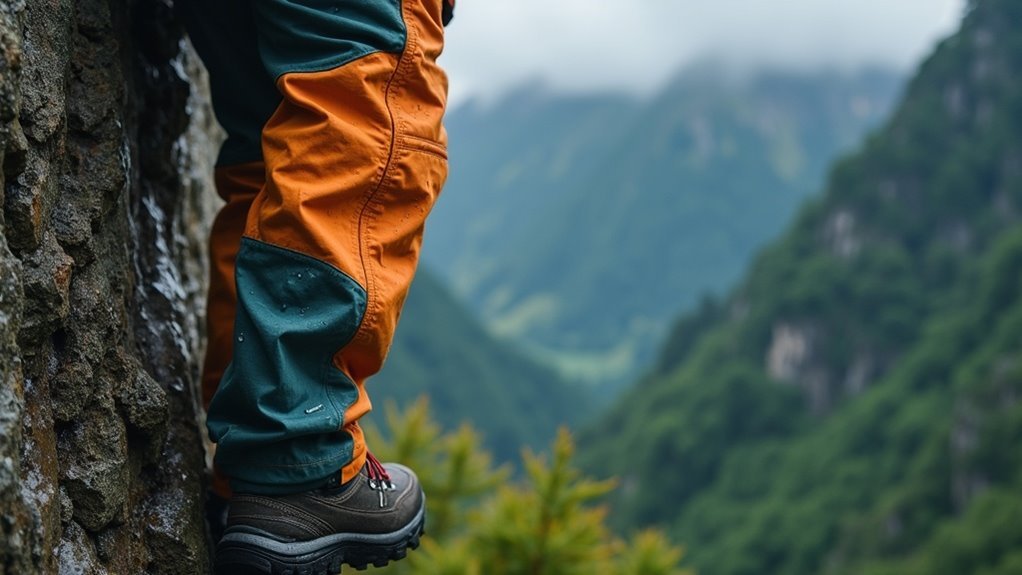
Light-colored, breathable pants made from moisture-wicking materials will help protect your legs.
Don’t forget accessories like Buffs for added neck and face coverage.
High UPF clothing reduces the need for frequent sunscreen reapplication, keeping you safe from high-altitude sun.
The Role of Sunscreen in Outdoor Activities
When you’re hiking at high altitudes, broad-spectrum sunscreen is a must to shield your skin from harmful UVA and UVB rays.
Remember to reapply every one to two hours, especially after sweating, to keep that protection strong.
Applying it 15 minutes before you head out guarantees you’re ready to face the sun safely.
Importance of Broad Spectrum
While you may be focused on the breathtaking views during high altitude hiking, don’t overlook the importance of broad-spectrum sunscreen in protecting your skin. Here’s why you should make it a priority:
- UVA and UVB Protection: Broad-spectrum sunscreens shield against both types of UV radiation, essential for reducing skin cancer risk, as emphasized by the Skin Cancer Foundation.
- Mineral Ingredients: Look for options with zinc oxide or titanium dioxide, which reflect UV rays and are gentle on sensitive skin.
- SPF Matters: Choose a sunscreen with at least SPF 30 to block 97% of harmful UVB rays, keeping sunburn at bay.
Apply sunscreen generously and enjoy your adventure!
Reapplication Frequency Essentials
Even with a solid base of broad-spectrum protection, knowing how often to reapply sunscreen can make all the difference during your high altitude hiking adventures.
You should reapply every two hours, especially after sweating or swimming, to guarantee effective UV protection. Aim for a shot glass-sized amount for full body coverage, focusing on all exposed skin.
Choose at least SPF 30 for moderate sun exposure, but consider SPF 50 for extended outings to block more harmful UVB rays.
Don’t forget to apply sunscreen 15 minutes before hitting the trail for ideal absorption and protection for hikers. Your skin will thank you!
Effective Application Techniques for Sunscreen
To guarantee you get the most out of your sunscreen while hiking at high altitudes, applying it correctly is essential.
Applying sunscreen correctly is crucial for maximum protection while hiking at high altitudes.
Follow these effective techniques for ideal protection:
- Apply sunscreen 15 minutes before heading out to allow for ideal absorption against UV radiation.
- Use about 1 ounce (the size of a shot glass) to cover all exposed skin thoroughly, including overlooked areas like ears and neck.
- Reapply every two hours, or more frequently if you sweat, to maintain the effectiveness of your broad-spectrum sunscreen with at least SPF 30.
This guarantees you’re protected against harmful UV rays throughout your hike.
Choosing the Right Sunglasses for Protection
When hiking at high altitudes, choosing the right sunglasses is essential for protecting your eyes from harmful UV rays and harsh glare.
Look for sunglasses that offer 99 to 100 percent UV protection, ideally with a UV 400 rating. Lenses with ISO category 3 or 4 provide glare reduction, absorbing up to 98 percent of visible light, perfect for bright, reflective environments.
Wrap-around styles enhance peripheral coverage, blocking UV rays from the sides. Additionally, polarized lenses reduce glare from surfaces like snow, improving your visibility and comfort.
Brands like Julbo, Oakley, and Monterosa are excellent choices for quality mountaineering sunglasses.
Additional Sun Protection Accessories
High-altitude hikers often overlook the importance of additional sun protection accessories, but they can make a significant difference in your comfort and safety.
Here are three essentials to take into account:
- Buff: This versatile neck gaiter offers extra coverage for your neck and face, essential during high UV levels.
- Wide-brimmed hats: A hat like the Wallaroo Sedona shields your face, ears, and neck while keeping you cool.
- UV-blocking gloves: Protect your hands from sunburn, vital at high altitudes.
Don’t forget a lightweight, UV-resistant bandana for added versatility.
Together, these accessories enhance your sun protection and overall hiking experience.
Staying Hydrated While Hiking
Hydration is key for a successful hiking experience, especially in high-altitude environments. At these elevations, your body loses fluids quickly due to increased respiration and lower humidity, so staying hydrated is vital.
Aim for at least half a liter of water every hour, adjusting based on your activity level. When you’re sweating heavily, consider electrolyte-rich drinks to replenish lost salts. A hydration reservoir makes water access easy, encouraging frequent sips without stopping.
Stay vigilant for dehydration symptoms like dizziness or fatigue—if you notice these, boost your water intake right away. Your body will thank you for it!