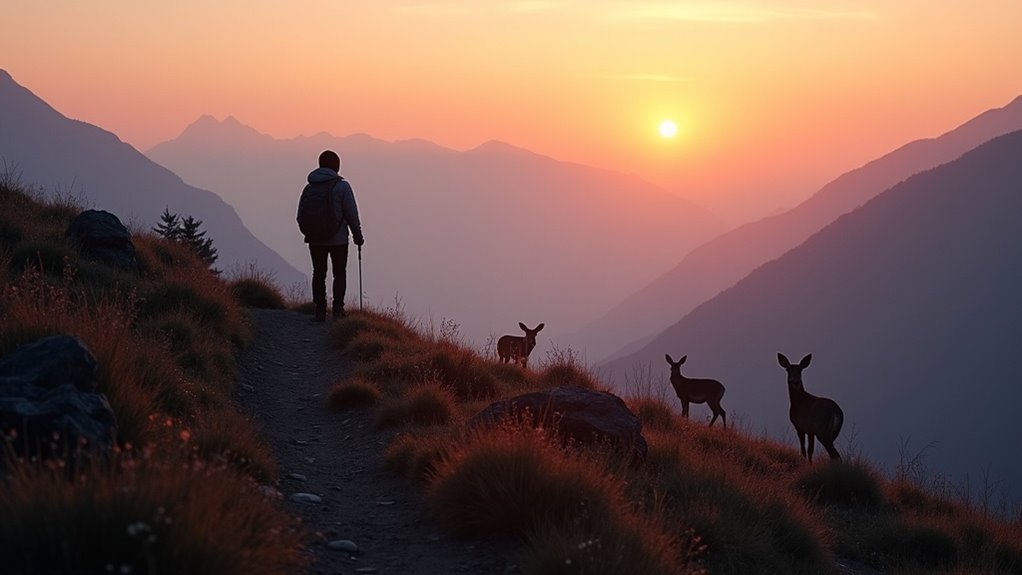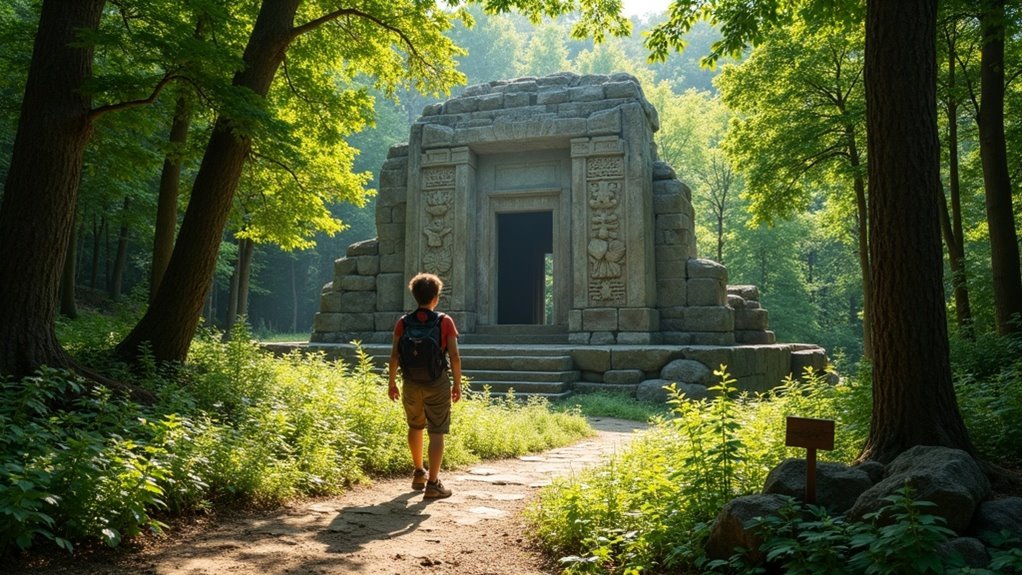
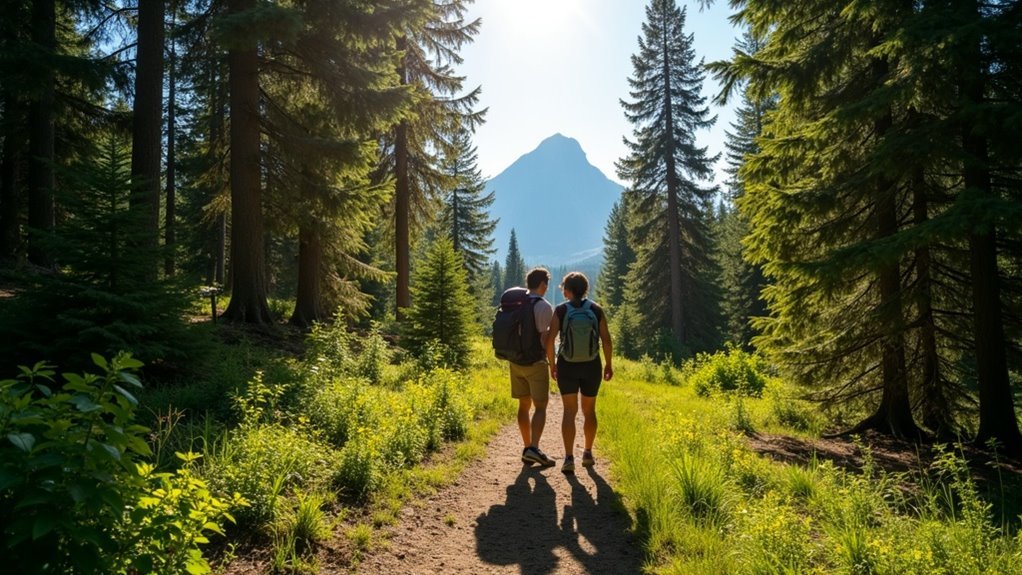
The golden rule of hiking etiquette is simple: treat fellow hikers as you want to be treated. This means yielding to those heading uphill, stepping aside for faster hikers, and being courteous with greetings. It’s important to maintain a respectful atmosphere on the trail and prioritize safety for everyone. Following these guidelines not only enhances your experience but also fosters kindness among adventurers. There’s plenty more to learn about maintaining trail integrity and enjoying the outdoors respectfully.
Key Takeaways
- Treat fellow hikers with respect, as you would like to be treated yourself.
- Uphill hikers have the right of way; yield to them when descending.
- Communicate intentions clearly to avoid confusion on the trail.
- Step aside for faster-moving individuals and allow solo hikers to pass.
- Greet others to foster a friendly and welcoming atmosphere on the trails.
Understanding the Golden Rule of Hiking Etiquette
When you hit the trails, remember that the Golden Rule of Hiking Etiquette is all about treating others how you want to be treated. This means yielding to hikers, especially those heading uphill, as they’ve the right of way.
When you encounter equestrians, step off the trail on the downhill side to avoid startling their horses. Mountain bikers must also yield to hikers and horses, passing on the left while announcing their presence.
Simple greetings can foster a friendly atmosphere, ensuring a respectful experience for everyone. Following these guidelines enhances your adventure and builds community spirit on the trails.
The Importance of Respecting Nature
Respecting nature is essential for preserving the beauty and health of our trails.
By following Leave No Trace principles and staying on marked paths, you help protect wildlife habitats and minimize your environmental impact.
Small actions, like picking up litter, can make a big difference for future hikers and the ecosystems we cherish.
Leave No Trace Principles
To truly enjoy the great outdoors, you’ve got to remember the importance of leaving nature as you found it. Following Leave No Trace principles helps keep everyone safe and the environment pristine.
Always pack out what you pack in—trash, food scraps, and wrappers don’t belong in the wild. Respect goes a long way; observe wildlife from a distance and avoid feeding them.
Stay on designated trails to prevent erosion and protect sensitive ecosystems. When it comes to fires, use established pits and leave firewood where it is.
Protecting Wildlife Habitats
While exploring the great outdoors, it’s essential to recognize that protecting wildlife habitats is key to maintaining the delicate balance of ecosystems.
To do your part, follow these best practices:
- Stay on marked trails; don’t step off the trail to avoid damaging vegetation.
- Observe animals from a distance; this prevents stress and disruption to their natural behaviors.
- Avoid feeding wildlife; it can lead to dependency and alter their foraging habits.
- Leave natural items like rocks and flowers untouched; preserving them keeps the environment beautiful for everyone.
Minimizing Environmental Impact
Minimizing your environmental impact is essential for preserving the natural beauty of the trails you love. By following Leave No Trace principles, you can treat nature with respect.
Always stay on marked trails to protect vegetation and wildlife habitats. Pack out all trash, including food scraps, to guarantee responsible waste disposal.
Observe wildlife from a distance; this reduces stress on animals and preserves their natural behaviors. Use established fire pits and avoid collecting firewood to prevent damage to the ecosystem.
Every small action you take helps minimize environmental impact, guaranteeing future generations can enjoy these beautiful landscapes.
Key Principles of Leave No Trace
When you hit the trail, embracing the Leave No Trace principles is essential for protecting the environment and ensuring that future hikers can enjoy nature just as you do.
Embracing Leave No Trace principles preserves nature for future hikers while protecting our environment.
Here are key principles to follow:
- Pack out all trash, including food scraps.
- Stay on marked trails to protect vegetation and wildlife habitats.
- Observe wildlife from a distance, avoiding stress on animals.
- Extinguish the fire completely if you choose to have one.
Sharing the Trail: Right of Way Rules
As you navigate the trails, understanding right of way rules is essential for ensuring a safe and enjoyable experience for everyone. Uphill hikers have the right of way, so if you’re descending, step aside to let them pass.
When you encounter equestrians, yield by moving to the downhill side and communicate calmly to avoid startling the horses.
On multi-use trails, cyclists should yield to both hikers and equestrians. Clear communication is key; saying “on your left” when passing other hikers maintains a friendly atmosphere.
When in larger groups, form a single line to promote smoother passage and reduce trail congestion.
Communicating on the Trail
When you’re out on the trail, clear communication makes a big difference.
A simple “hello” or “on your left” can help everyone stay safe and aware of their surroundings.
Friendly Trail Greetings
Hiking isn’t just about the trails; it’s also about the connections you make along the way. Friendly trail greetings foster a welcoming atmosphere and enhance your experience.
Here are some simple ways to engage with fellow hikers:
- Offer a friendly greeting, like “hello” or “on your left.”
- Acknowledge others with a smile or wave.
- Keep music to one earbud to stay engaged with your surroundings.
- Maintain clear communication to guarantee a safe and enjoyable experience.
These small gestures create a sense of community, encouraging positive interactions and making every hike more rewarding for everyone involved.
Clear Passing Signals
Effective communication on the trail is essential for guaranteeing a safe and enjoyable experience. Using clear passing signals, like friendly greetings or announcing “on your left,” informs others of your presence and fosters a welcoming atmosphere.
Keep noise levels low to respect the natural environment and fellow hikers. Hand signals or verbal cues can enhance safety, especially on narrow paths or during busy times.
When passing slower hikers, wait for the right moment to facilitate a respectful interaction. This effective communication not only keeps everyone safe but also contributes to a positive hiking experience for all trail users.
Dog Etiquette for Hikers
How can you guarantee a positive hiking experience for both your dog and fellow trail users? Follow these simple dog etiquette tips to help everyone enjoy the outdoors:
- Always keep your dog on a leash unless the trail allows off-leash dogs.
- Promptly pick up and properly dispose of your dog’s waste.
- Be aware of wildlife and other hikers; avoid loose dogs that can disturb them.
- Communicate your dog’s presence with a friendly greeting when approaching others.
Maintaining a Respectful Atmosphere
While exploring the great outdoors, it’s essential to create a respectful atmosphere that benefits everyone on the trail.
Remember, hikers should yield to uphill travelers and equestrians—this simple act fosters mutual respect. Treat others how you want to be treated; greet fellow hikers and step aside for those moving faster.
Hikers should yield to those traveling uphill and equestrians, fostering respect and enhancing everyone’s outdoor experience.
Keep in mind that maintaining low noise levels enriches the experience for everyone, allowing nature’s tranquility to shine through. Awareness of right of way rules and clear communication when passing others are vital for a harmonious hike.
Together, we can make each outing enjoyable and welcoming for all trail users.
Tips for Practicing Good Etiquette
To guarantee a pleasant hiking experience for everyone, it’s crucial to practice good etiquette on the trails.
Here are some practical tips to guarantee a good time for all:
- Step aside for uphill hikers to maintain flow and safety.
- When encountering equestrians, step off the trail downhill and communicate calmly.
- Keep group sizes manageable and noise levels low to respect nature’s tranquility.
- Don’t forget to greet fellow hikers with a smile; small gestures can make a big difference.