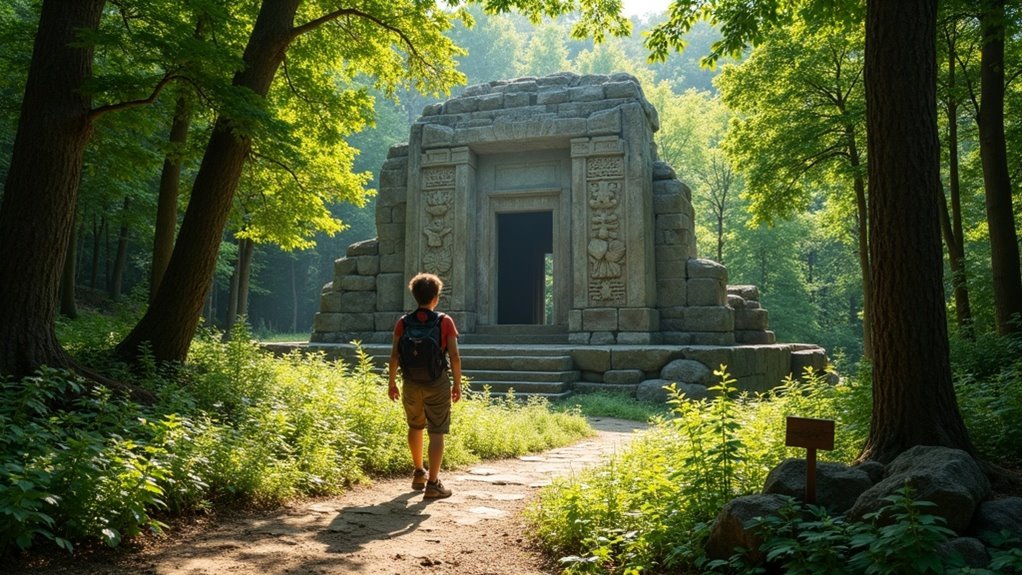

Hiking and trekking have key differences that affect your outdoor experience. Hiking is usually a shorter adventure, lasting a few hours to a day, perfect for relaxation and enjoying nature. Trekking, however, involves long-distance, multi-day journeys and demands more preparation and self-sufficiency. While hiking trails can be easy to moderate, trekking often challenges your endurance and navigational skills. Understanding these nuances helps you choose the right adventure. Discover more about essential gear and preparation tips for both activities.
Key Takeaways
- Hiking is a shorter, more accessible outdoor activity, while trekking involves longer, multi-day journeys requiring more planning and self-sufficiency.
- Hiking trails range from easy to challenging, making it ideal for beginners to build confidence before tackling trekking.
- Trekking requires specialized equipment, including sturdy boots and a larger rucksack, whereas hiking needs lighter gear for shorter trips.
- Safety and preparation differ; hikers can enjoy amenities, while trekkers must be equipped for unpredictable weather and remote areas.
- Both activities promote an appreciation for nature, with hiking offering quick outings and trekking fostering deeper self-discovery through extended experiences.
Understanding Hiking
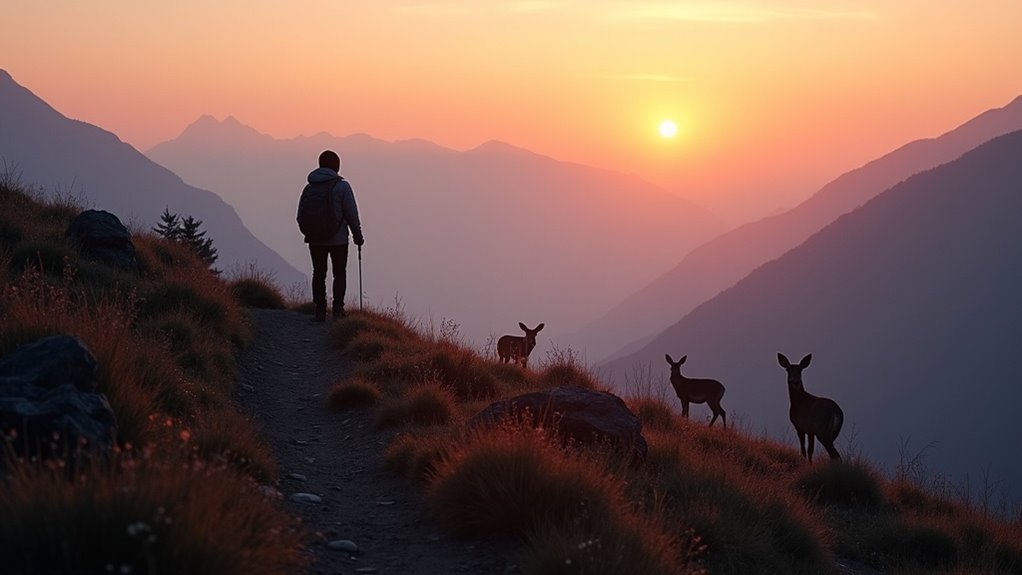
Hiking is more than just a walk; it’s an adventure that invites you to explore the beauty of nature. As you traverse various trails, you’ll find options suited for all ages and fitness levels.
Whether you choose an easy path or tackle a challenging route, each hike promises physical benefits, improving your cardiovascular fitness and burning up to 550 calories per hour.
Beyond the physical aspect, hiking also nurtures your mental well-being, alleviating stress and anxiety.
Understanding Trekking
When you venture into the world of trekking, you’re in for a transformative experience that goes beyond the typical day hike.
Trekking involves long-distance walking through remote, rugged areas, often over several days. You’ll face challenging terrains that demand both mental and physical resilience, pushing your limits while you soak in nature’s beauty.
Trekking challenges your limits as you navigate rugged terrains, blending mental strength with the breathtaking beauty of nature.
Self-sufficiency becomes essential as you plan for food, water, and accommodations. Carrying camping gear like tents and sleeping bags, you’ll learn to rely on yourself and develop skills that foster personal growth.
Each trek offers an opportunity for self-discovery and a profound sense of accomplishment.
Key Differences in Duration
While both hiking and trekking offer unique ways to connect with nature, the key difference in duration sets them apart markedly.
Hiking typically involves shorter trips, lasting from a few hours to a full day, making it ideal for spontaneous outings.
On the other hand, trekking features multi-day journeys that can extend for weeks or even months, requiring detailed planning for food, water, and accommodation.
This commitment level makes hiking more accessible for beginners, while trekking demands a structured itinerary.
Choose your adventure based on the time you can dedicate, and enjoy the beautiful outdoors at your own pace.
Key Differences in Difficulty Level
Understanding the differences in difficulty level can help you choose the right outdoor adventure for your skills and comfort.
Hiking offers various trails, from easy paths to more challenging ones, catering to all levels of physical fitness. In contrast, trekking usually involves rugged terrains and unpredictable weather, demanding higher endurance and experience.
While hiking allows for a leisurely pace with amenities, a challenging trek requires sustained effort over longer hikes in remote areas.
Beginners should embrace hiking first to build confidence and skills before tackling more demanding multi-day treks that push physical and mental limits.
Choose wisely for your best experience!
Essential Equipment for Hiking
When you set out on a hike, the right gear makes all the difference.
Your footwear should provide comfort and support, while a well-fitted backpack guarantees you can carry all your essentials without strain.
Don’t forget navigation tools like a map or GPS to keep you on track and enhance your outdoor experience.
Footwear for Outdoor Comfort
Choosing the right footwear can make all the difference in your outdoor adventure, as it directly impacts your comfort and performance on the trail.
For day hikes, lightweight hiking boots provide essential support and breathability. However, if you’re trekking, opt for durable trekking boots with ankle support and waterproof features, ideal for rugged terrains.
Make sure to break in your boots before long trips to prevent blisters. A good grip is vital for tackling various terrains, so consider the specific duration and difficulty of your outdoor activities when selecting your hiking gear.
Happy trails await with the right footwear!
Backpack Selection Tips
A well-chosen backpack can elevate your hiking experience, making it essential to select one that fits your specific needs.
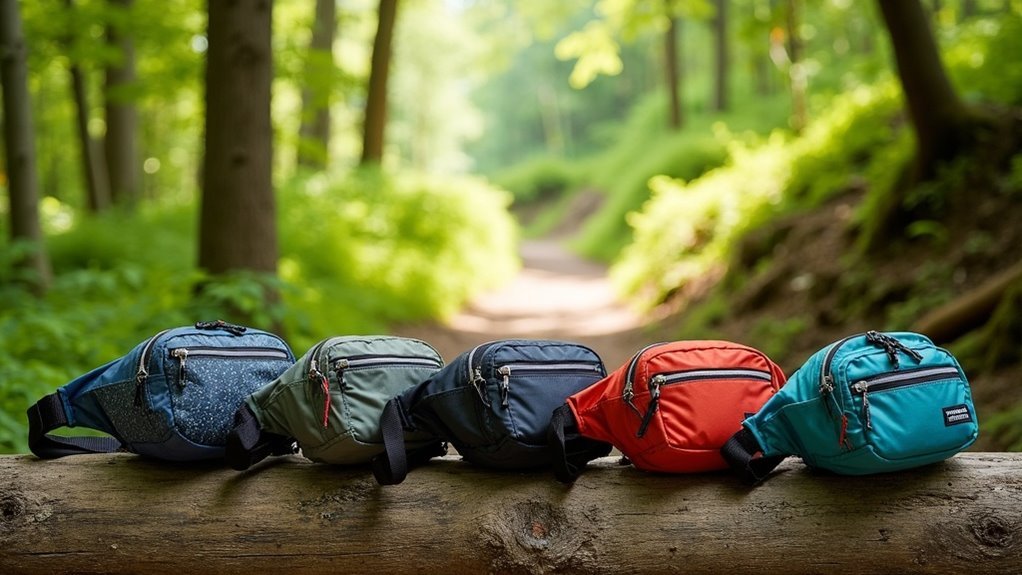
For a day hike, opt for a 20-30 liter day pack, while a multi-day trek requires 50-60 liters.
Confirm your backpack has adjustable straps and a padded hip belt for comfort and weight distribution.
Look for multiple compartments to keep essentials like water, snacks, and first aid kits organized.
Consider water-resistant materials or built-in rain covers to safeguard your gear against unexpected weather conditions.
Finally, always test your backpack with a weighted load to verify comfort and ease of movement.
Navigation Tools Essentials
After you’ve selected the right backpack for your adventure, the next step is guaranteeing you can navigate the trails with confidence.
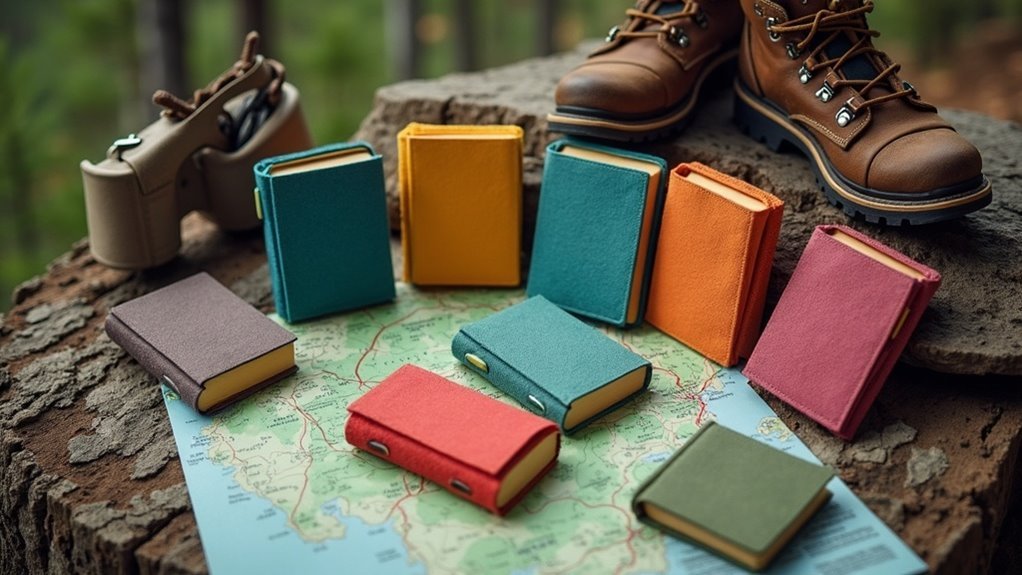
Essential navigation tools include a detailed trail map, which outlines routes and landmarks, guiding your journey effectively. A compass is vital, especially when trail markers are sparse.
For enhanced accuracy, consider a GPS device or a smartphone app for real-time positioning. However, don’t solely rely on technology—always carry a backup navigation tool, like a physical map and compass, to stay prepared for any technical failures.
Familiarize yourself with these tools before heading out to guarantee a safe and enjoyable hike.
Essential Equipment for Trekking
When you’re gearing up for a trek, having the right equipment is key to a successful adventure.
You’ll need sturdy boots for support, a spacious backpack for all your essentials, and reliable navigation tools to keep you on track.
Let’s explore the must-have gear, clothing, and safety tools that will enhance your trekking experience.
Must-Have Trekking Gear
Trekking demands more than just a spirit of adventure; it requires the right gear to guarantee safety and comfort on the trail.
Essential trekking equipment includes a sturdy tent for various weather conditions and a quality sleeping bag rated for the temperatures you’ll face.
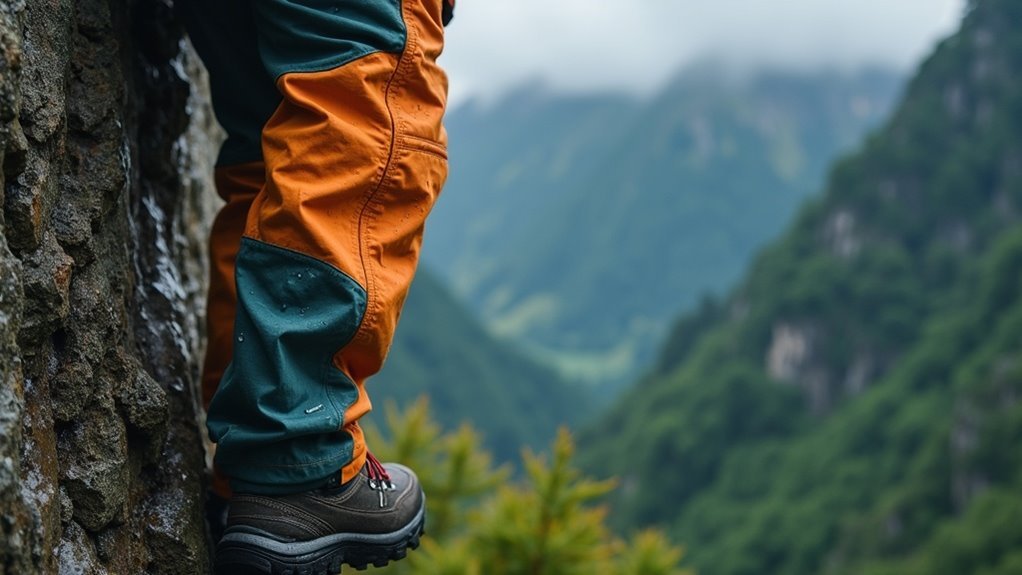
Durable hiking shoes support your ankles, ensuring stability on rugged terrains. A well-sized rucksack (50-60 liters) carries all your supplies, from food to water.
Don’t forget navigation tools like a compass and GPS device, especially in remote areas where trails can be unclear.
With the right gear, you’ll be prepared for any trek, regardless of fitness levels.
Clothing and Footwear Essentials
Choosing the right clothing and footwear can make all the difference during your trekking adventures.
Prioritize comfort and protection with these clothing and footwear essentials:
- Sturdy boots with ankle support for uneven terrain
- Moisture-wicking base layers to keep you dry
- Insulating mid-layers for warmth
- Durable, breathable pants or shorts for flexibility
- Lightweight, packable rain jacket for sudden changes
These items guarantee you’re ready for well-marked paths and unpredictable weather.
Don’t forget accessories like a wide-brimmed hat and moisture-wicking socks to enhance your experience and keep you comfortable throughout your journey.
Happy trekking!
Navigation and Safety Tools
As you venture into the wilderness, having the right navigation and safety tools can be the key to a successful and enjoyable trek. Crucial items include navigation tools like a compass and topographic maps, alongside a GPS device for real-time tracking. Don’t forget a first aid kit to handle minor injuries, and communication devices like a satellite phone for emergencies. Here’s a quick overview:
| Tool | Purpose | Importance |
|---|---|---|
| Compass | Orientation in remote areas | Critical for navigation |
| GPS Device | Real-time location tracking | Enhances safety |
| First Aid Kit | Treats injuries and ailments | Essential for emergencies |
| Multi-tool/Knife | Gear adjustments and food prep | Versatile for various needs |
| Communication Device | Emergency contact | Guarantees safety in isolation |
Preparing for Your First Outdoor Adventure
Before you lace up your hiking boots, it’s crucial to prepare for your first outdoor adventure. Start by choosing beginner-friendly trails that won’t overwhelm you.
Preparing for your first outdoor adventure is essential; begin with beginner-friendly trails to ease into hiking.
Invest in proper footwear to guarantee comfort and support. Familiarize yourself with necessary gear for day hikes, including:
- A sturdy backpack
- Plenty of water
- Nutritious snacks
- A reliable map
- A first aid kit
Join local hiking groups for motivation and tips.
Finally, always check the weather to plan your hike during ideal times. With the right preparation, you’ll be ready to embrace the beauty of hiking and trekking!