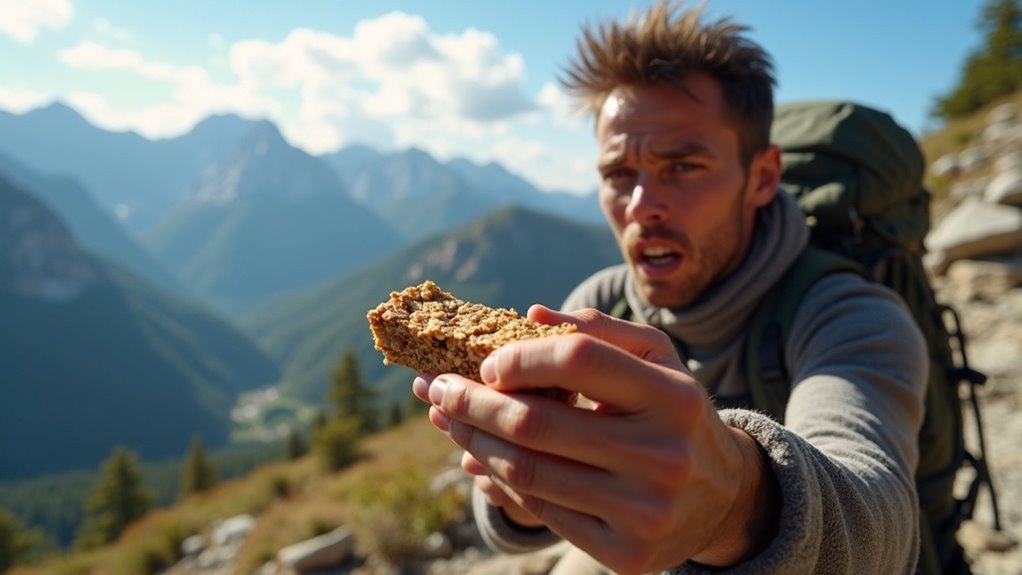
Hiker hunger is that intense craving for food you experience during long-distance hikes. As you trek, your body can burn 4,500 to 5,800 calories daily, driving your appetite to new heights. At first, you might eat less than you need, but soon, cravings for high-calorie snacks and nostalgic treats will take over. This urge fuels your energy and joy on the trail, enhancing your overall experience. There’s so much more to discover about this fascinating phenomenon.
Key Takeaways
- Hiker hunger is an intense appetite experienced during long-distance hikes due to significant caloric burn.
- Daily caloric needs for thru-hikers range from 4,500 to 5,800 calories.
- Cravings evolve to include high-calorie and nostalgic foods as hiking progresses.
- Physiological changes during hiking alter nutritional requirements, making previously disliked foods appealing.
- Embracing shifting food preferences enhances the overall hiking experience and energy levels.
Understanding Hiker Hunger
When you commence on a long-distance hike, you might be surprised by the intense appetite that kicks in, a phenomenon known as hiker hunger.
This surge in cravings stems from your body’s need to replenish the 4,500 to 5,800 calories you expend daily.
Initially, you may struggle with a loss of appetite, consuming just 300 to 800 calories.
However, as you adapt, your nutritional needs evolve, transforming initial food aversions into unexpected cravings for items like junk food or nostalgic snacks.
Embracing hiker hunger guarantees you fuel your journey, maintaining energy and joy on the trail ahead.
Symptoms and Cravings
As you trek deeper into your hike, you might notice your cravings intensifying, driven by your body’s urgent need for nourishment.
Hiker hunger can spark intense cravings for high-calorie foods, transforming your taste preferences. You may find yourself longing for items like pizza, ice cream, or even nostalgic snacks like Pop-Tarts and peanut butter.
Hiker hunger ignites powerful cravings for indulgent foods, from pizza to nostalgic treats like Pop-Tarts and peanut butter.
These cravings often reflect your body’s changing appetite, especially after a few days on the trail. The anticipation of meals becomes a highlight, enhancing your overall experience.
Embrace these cravings; they signal your body’s need for fuel and joy amid the adventure.
Physiological Changes During Hiking
While you navigate the rugged terrain of your hike, your body undergoes remarkable physiological changes that adapt to the increased demands of the trail.
You’re burning an average of 5,800 calories daily, leading to significant caloric burn. This intense hiking intensity creates a calorie deficit, causing fluctuations in your energy levels tied to your food intake.
As you continue, your body becomes more efficient, altering your nutritional requirements and increasing caloric needs. You might even find that foods you once disliked suddenly become cravings, showcasing how your body’s physiological changes influence what it needs to sustain your journey.
Food Preferences on the Trail
With your body adapting to the rigors of the trail, your food preferences start to shift dramatically.
You might find yourself craving high-calorie snacks like protein cookies and trail mixes, offering the energy boost you need.
As your nutritional needs evolve, you’ll likely favor nutrient-dense options, balancing carbohydrates, proteins, and fats to sustain those long hikes.
The anticipation of meals becomes a highlight, turning once-ignored foods into sought-after treats.
Cravings can change with exertion levels, forging a deeper connection with what you eat.
Embracing these shifts will enhance your hiking experience and keep you fueled for the journey ahead.
Caloric Needs and Intake
Understanding your caloric needs during a thru hike is essential for maintaining energy and stamina on the trail. As a thru-hiker, you may burn 4,500 to 5,800 calories per day, requiring a significant boost in caloric intake.
- Prioritize high-calorie foods, especially those rich in fats
- Plan meals ahead to guarantee adequate nutrition
- Be aware that initial intake might drop to 300-800 calories daily
- Adapt your diet as your body craves nutrient-dense options
Strategies for Managing Appetite
Managing your appetite on the trail is essential for maintaining energy and motivation.
Focus on staying hydrated with electrolyte drinks to keep nausea at bay and enhance your overall performance.
Pair that with high-calorie food choices to fuel your hike without feeling overly stuffed, ensuring you can tackle those long days with ease.
Hydration and Electrolyte Balance
As you trek through breathtaking landscapes, staying hydrated and maintaining electrolyte balance becomes essential for both your energy and appetite.
Here are some strategies to take into account:
- Drink at least two electrolyte drinks daily for energy boosts.
- Use electrolyte mixes like DripDrop to maintain hydration balance.
- Limit water during meals to reduce nausea and enhance appetite.
- Think about smoothies or shakes for calorie intake without solid food discomfort.
Adjusting your hydration and food strategies early can greatly support your appetite and guarantee you get the calories needed to keep you energized throughout your adventure.
High-Calorie Food Choices
After guaranteeing you’re well-hydrated and balanced, the next step is to focus on what you’re eating to fuel your hike.
Thru-hikers need high-calorie foods to meet their energy demands, often burning between 4,500 and 5,800 calories daily. Peanut butter, granola, and tuna are excellent choices, packed with energy and easy to carry.
Consider drinking calories through smoothies or protein shakes to combat appetite challenges without solid food discomfort. Incorporating hot meals can enhance your appetite and digestion, while varied snacks like jerky and freeze-dried fruits keep cravings at bay and guarantee you’re getting enough calories on the trail.
Community Insights and Shared Experiences
How do you navigate the complexities of appetite changes while on a long hike? Hiker hunger can surprise you, with cravings evolving daily.
By sharing your experiences and connecting with others, you can find valuable insights. Consider these community tips:
- Embrace cravings for unexpected foods.
- Don’t hesitate to share your struggles with appetite.
- Seek advice on managing nausea or loss of appetite.
- Collaborate on high-calorie food selections to meet your daily intake.
Engaging with fellow hikers fosters a sense of camaraderie, turning challenges into shared experiences and strengthening your resolve on the trail.
The Importance of Nutrition and Hydration
When you’re out on the trail, your body craves fuel like never before, burning thousands of calories each day.
To keep your energy up and combat that relentless hiker hunger, you’ll need to focus on nutrient-dense foods and stay properly hydrated.
Balancing your caloric intake and hydration strategies is essential for maintaining stamina and enjoying your adventure to the fullest.
Caloric Intake Requirements
Thru-hiking demands an immense amount of energy, making caloric intake a critical component of your journey.
To meet your energy needs, consider the following:
- Aim for 4,500 to 5,800 calories daily.
- Choose nutrient-dense snacks over empty calories for sustained energy.
- Monitor your intake, especially if you experience appetite fluctuations.
- Stay hydrated with at least two electrolyte drinks daily.
Hydration Strategies for Hikers
Maintaining proper hydration is just as important as managing your caloric intake while hiking long distances. Staying hydrated supports kidney function and keeps your energy levels high.
Aim for at least two electrolyte drinks daily to replenish lost minerals and enhance hydration. Incorporating high-calorie beverages like smoothies can help you stay energized while quenching your thirst.
Remember to avoid excessive water during meals to reduce nausea, aiding digestion.