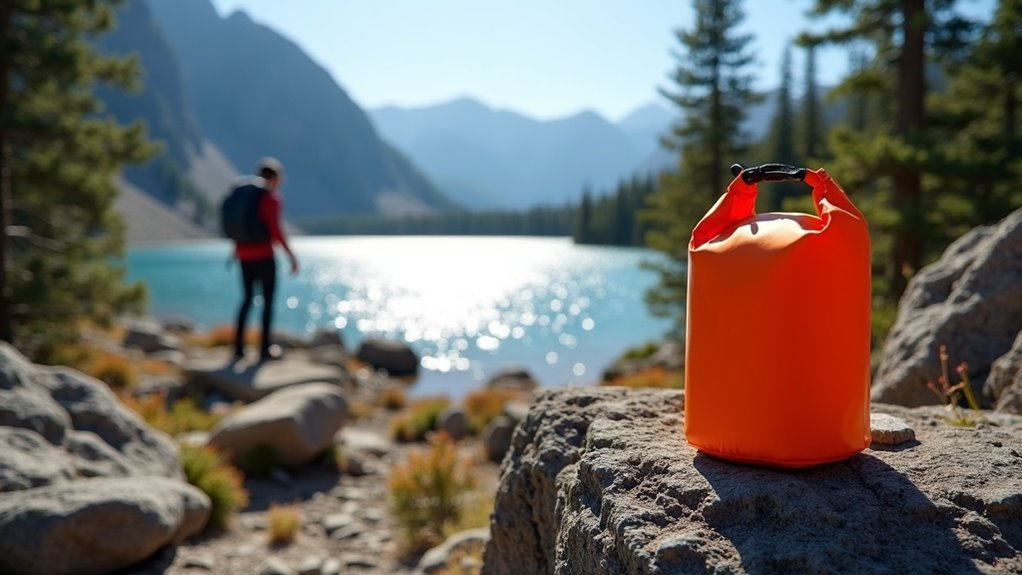
A dry bag is essential for hiking as it keeps your gear safe from moisture and organized for easy access. Whether you’re crossing streams or facing unexpected rain, it protects your belongings, ensuring your electronics and important items stay dry. You can compartmentalize your gear with various sizes and colors, while roll-top closures maximize backpack space. Plus, you can separate wet and dry items effectively. Discover how these versatile bags can enhance your outdoor experience even further!
Key Takeaways
- Dry bags keep hiking gear waterproof, protecting items from rain, stream crossings, and wet ground, ensuring comfort and safety.
- They help organize gear by allowing compartmentalization, making essential items easily accessible during hikes.
- Dry bags protect valuables, such as electronics and important documents, from moisture and unexpected weather conditions.
- They separate wet and dry items, preventing odor contamination and maintaining hygiene during multi-day trips.
- Multifunctional uses include serving as extra storage, makeshift pillows, or emergency aids, enhancing overall outdoor experience.
The Importance of Keeping Gear Dry
When you’re out on a hike, keeping your gear dry isn’t just a convenience; it’s essential for your safety and comfort. Waterproof materials, like those found in dry bags, protect your belongings from unexpected rain, stream crossings, or wet ground.
By ensuring your gear stays dry, you reduce the risk of hypothermia, preventing cold and damp conditions from compromising your body temperature. Properly sealed dry bags also keep moisture at bay, safeguarding against mold and mildew during multi-day trips.
Plus, many float, making retrieval easy if they accidentally fall into water. Prioritizing dry gear enhances every outdoor adventure!
Organizing Hiking Equipment
Keeping your gear dry is just the first step in ensuring a successful hiking experience; organizing that gear effectively is just as important.
Dry bags are perfect for organizing hiking equipment, keeping essential items like clothing, food, and first-aid kits waterproof and easily accessible. By using various sizes and colors, you can compartmentalize your gear, making it simple to find what you need.
The roll-top closure compresses your items, maximizing space in your backpack. Plus, dry bags protect against dirt and debris, keeping your gear safe and functional while extending the lifespan of sensitive electronics and other valuable items.
Protecting Valuables From Elements
When you’re out hiking, protecting your valuables from the elements is essential. A dry bag not only keeps your electronics safe from moisture but also shields your clothing and gear from unexpected weather.
Plus, it guarantees your important documents, like maps, stay intact, so you can navigate confidently.
Waterproof Electronics Storage
To protect your valuable electronics during hikes, a dry bag is an essential investment.
These waterproof storage solutions safeguard your smartphone, GPS, and camera from rain, splashes, and humidity. Dry bags come in various sizes, so you can easily find the right fit for your devices, whether it’s a small pouch for your phone or a larger bag for your tablet.
They not only keep your gear dry but also shield it from dust and impacts on rugged trails. Some even feature transparent windows for quick access, ensuring your electronics remain functional and protected throughout your adventure.
Protecting Clothing and Gear
Electronics aren’t the only valuables that need protection during your hikes. Dry bags are essential for keeping your gear safe from unexpected rain and moisture.
With an airtight seal, they prevent water seepage, ensuring jackets, pants, and sleeping bags stay dry. Plus, they isolate important items like food and first-aid kits from wet conditions, maintaining hygiene and usability.
Safeguarding Important Documents
While hiking through unpredictable weather, you can’t afford to let important documents get damaged by moisture. Dry bags are your best ally in safeguarding things like passports and maps from rain or splashes.
Their waterproof design guarantees that your vital items remain secure and accessible, allowing you to retrieve them quickly without exposure to the elements. With airtight seals, dry bags also protect against dust and dirt, keeping your documents clean.
Plus, compartmentalizing these papers in a dry bag prevents crumpling or loss among other gear, enhancing both organization and your peace of mind on the trail.
Separating Wet and Dry Items
When you’re out hiking, keeping your clothes dry is essential for comfort and hygiene.
Using a dry bag not only isolates damp items but also prevents odor contamination that can impact your clean gear.
With a roll-top closure, these bags effectively manage moisture, ensuring everything stays organized and fresh.
Keep Clothes Dry
To keep your clothes dry during hikes, using dry bags to separate wet and dry items is vital. These bags effectively seal out moisture, protecting your clean gear from wet environments. When you store damp clothing, like swimsuits or towels, in a dry bag, you prevent odors from contaminating your fresh essentials. Plus, packing extra layers in dry bags guarantees you stay warm and comfortable. This organization also protects sensitive items, like electronics, from moisture damage. Here’s a quick overview:
| Item Type | Purpose | Benefits |
|---|---|---|
| Dry Bags | Keep clothes dry | Prevent moisture exposure |
| Wet Items | Store damp clothing | Avoid odor contamination |
| Extra Layers | Secure comfort and warmth | Stay prepared for conditions |
| Organization | Keep backpack tidy | Protect electronics |
| Hygiene | Maintain cleanliness | Enhance overall experience |
Manage Hygiene Effectively
Keeping your gear organized is essential for maintaining hygiene on the trail, especially when it comes to separating wet and dry items.
Dry bags are your best friend for this. Here’s how to use them effectively:
- Isolate wet clothes: Keep wet swimsuits or towels in a dry bag to prevent contamination.
- Store dirty gear: Use bags for muddy shoes or dirty laundry, ensuring clean clothes stay fresh.
- Contain toiletries: Secure leaky items in dry bags to avoid messes.
This organization helps you keep wet clothes in a dry area, making your hiking experience cleaner and more enjoyable.
Prevent Odor Contamination
Sometimes, hikers overlook the importance of separating wet and dry items, which can lead to unpleasant odors permeating their gear.
Using dry bags helps prevent odor contamination by isolating wet swimsuits, muddy shoes, or damp towels from clean clothes. The airtight seal of these bags effectively contains moisture and smells, ensuring your fresh gear stays that way.
Additionally, this separation protects your food supplies from any leaking items, maintaining hygiene throughout your trip.
Utilizing Dry Bags for Extra Storage
While hiking, it’s essential to maximize your storage options, and dry bags offer a practical solution for extra gear.
Here’s how you can utilize them effectively:
- Attachment: Easily fasten dry bags to your backpack, creating extra storage space without adding significant weight.
- Organization: Use color-coded dry bags to quickly identify items, like food supplies or emergency gear, minimizing rummaging.
- Protection: Roll-top closures help keep your gear safe from water damage while compressing bulkier items like clothing and sleeping bags.
Enhancing Safety During Water Crossings
When hiking, unexpected water crossings can pose a significant challenge, but dry bags can enhance your safety in these situations.
These waterproof barriers keep your essential gear safe and dry, even if submerged. With a roll-top closure, dry bags prevent water from seeping in, ensuring your clothing, food, and electronics remain protected.
Waterproof dry bags safeguard your gear from water, keeping clothing, food, and electronics secure with a reliable roll-top closure.
Additionally, their buoyancy aids in retrieval if the bag accidentally falls into the water. By keeping your items organized and dry, dry bags boost your preparedness, allowing you to focus on traversing challenging terrains without worrying about gear damage.
Embrace safety on your adventures with dry bags!
Versatile Uses Beyond Hiking
Although dry bags are essential for hiking, their versatility extends far beyond the trails. You can use them in various situations to keep items protected and organized.
Here are three creative uses:
- Waterproof Storage: Dry bags are designed to pack in a dry, safeguarding electronics, snacks, and first-aid kits during outdoor adventures.
- Liners for Backpacks: They add an extra layer of waterproof coating, protecting gear from unexpected weather.
- Emergency Aids: Fill them with air for buoyancy or use as makeshift pillows, ensuring comfort wherever you are.
Embrace their multifunctionality to enhance your outdoor experiences!