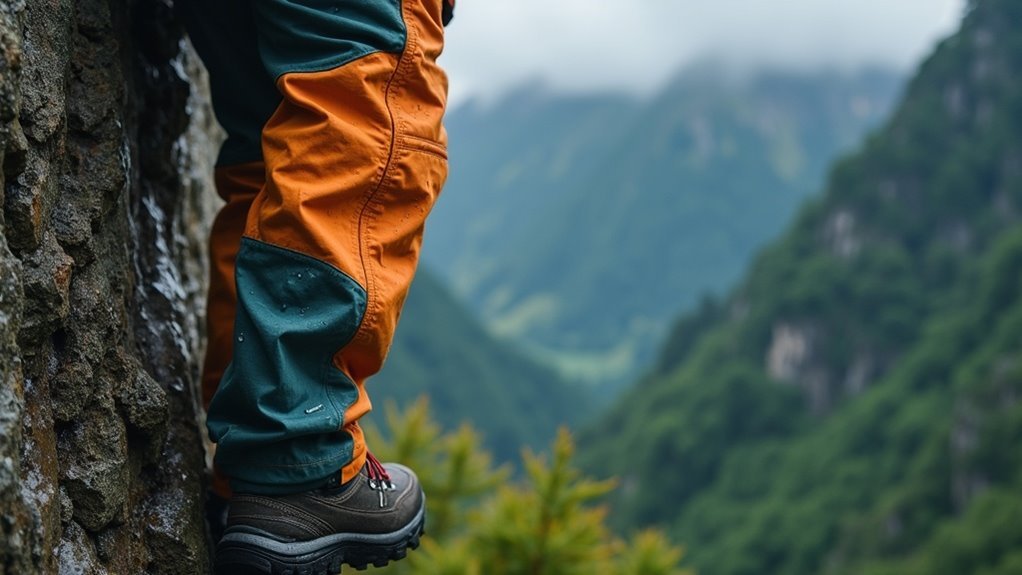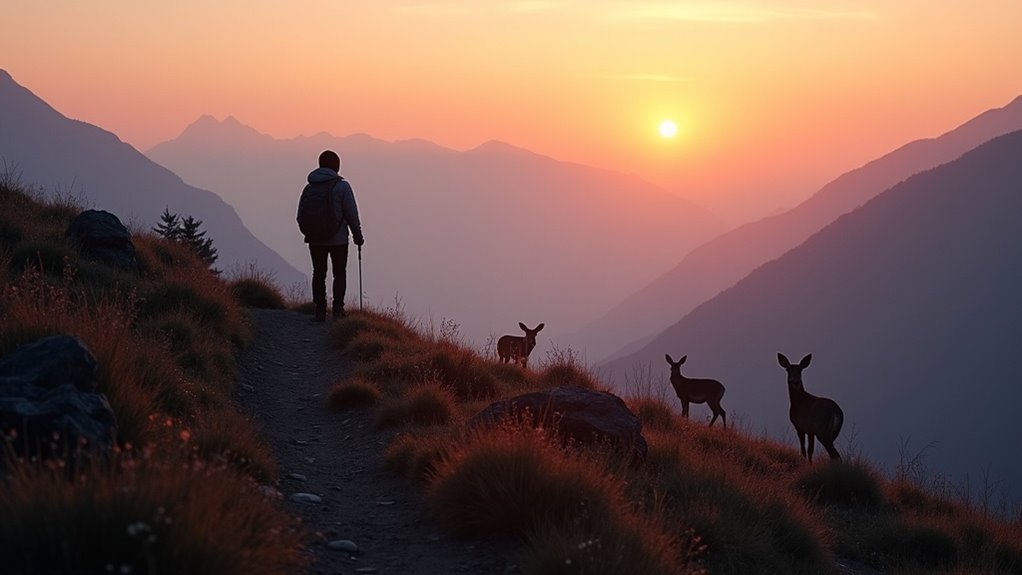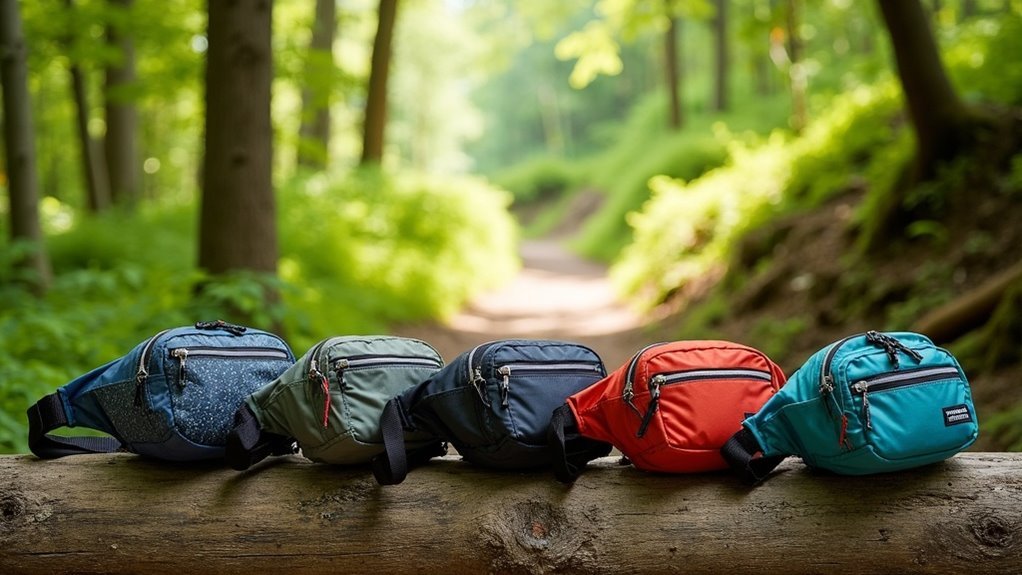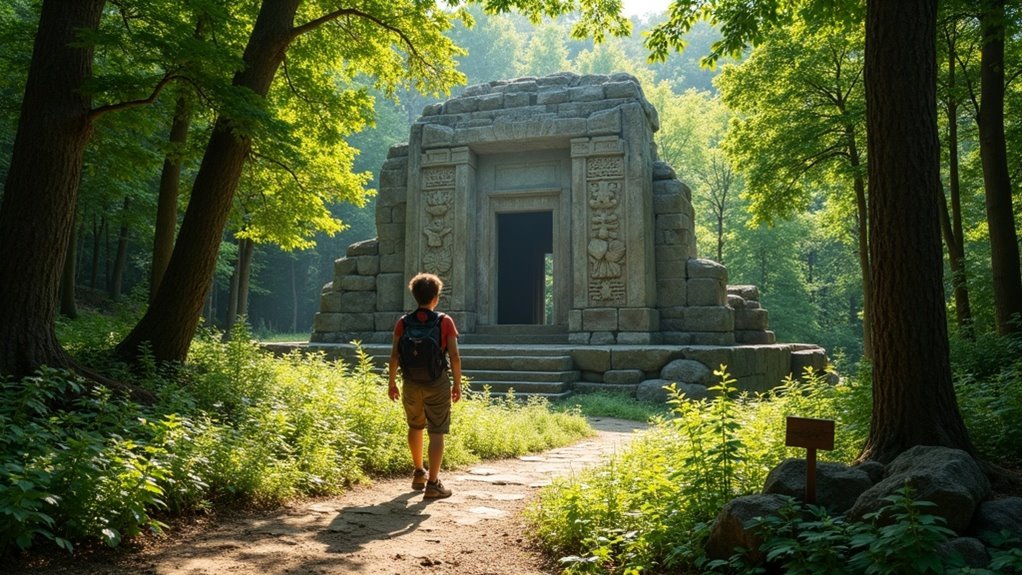
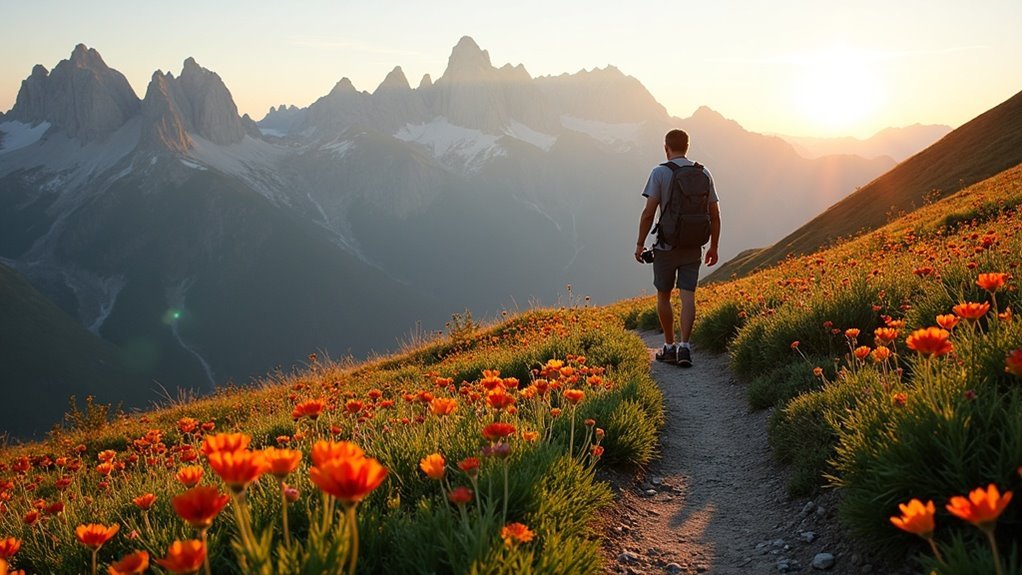
To photograph landscapes ethically while hiking, always stick to designated trails to protect fragile ecosystems. Maintain a safe distance from wildlife, using a long lens for non-intrusive shots. Keep noise levels low and respect fellow hikers by being considerate of their space. Choose eco-friendly gear and avoid geotagging sensitive locations to prevent overcrowding. By prioritizing nature’s health over the perfect shot, you contribute positively to the environment. There’s more you can do to guarantee your photography is responsible.
Key Takeaways
- Stick to designated trails to minimize environmental impact and protect fragile ecosystems while capturing landscapes.
- Use long focal length lenses to photograph wildlife without disturbing their natural behaviors and maintain a safe distance.
- Arrive early and be considerate of other visitors by keeping noise levels low and not obstructing views.
- Avoid geotagging sensitive locations to prevent overcrowding and promote discussions on responsible outdoor behavior.
- Choose eco-friendly photography gear and accessories to support conservation efforts and preserve the beauty of nature for future generations.
The Environmental Impact of Photography
While you might be enthusiastic to capture stunning landscapes, it’s essential to reflect on the environmental impact of your photography endeavors.
Straying from designated trails can harm fragile ecosystems, disrupting delicate vegetation and wildlife habitats. Remember, your presence affects local fauna; disturbances can alter their natural behaviors.
To protect these environments, adhere to the Leave No Trace Principles, ensuring you minimize your footprint. Always practice responsible waste disposal—taking all trash, even biodegradable items, back home.
The Leave No Trace Principles for Photographers
When you’re out capturing the beauty of landscapes, choosing eco-friendly gear is essential to protecting the environment.
You’ll want to respect natural elements by leaving them undisturbed and properly dispose of any waste you create.
Eco-friendly Gear Choices
Choosing eco-friendly gear is essential for every landscape photographer committed to protecting the environment.
Opt for lightweight equipment like mirrorless cameras and versatile zoom lenses that ease your load and minimize energy use on hikes. Select durable materials to guarantee your gear stands the test of time, reducing waste.
Incorporate reusable accessories, such as biodegradable lens covers and natural fiber camera straps, to lessen plastic waste. Consider energy-efficient devices, like solar-powered chargers, to maintain your photography equipment sustainably.
Proper Waste Disposal
Understanding proper waste disposal is essential for any landscape photographer who values the environment. To minimize waste, use reusable containers for food and snacks during your hikes.
Always take all waste back home, including organic materials that can harm wildlife. Bring a designated bag for collecting rubbish along the hiking trails, ensuring a cleaner environment for everyone.
When it comes to solid human waste, follow local guidelines and dispose of it at least 200 feet away from water sources.
Familiarizing yourself with the Leave No Trace principles will deepen your understanding of waste disposal and its impact on the environment.
Respect Natural Elements
Respecting natural elements is essential for photographers who wish to capture the beauty of landscapes without causing harm. By following a few key principles, you can guarantee your impact is minimal:
| Action | Importance | Result |
|---|---|---|
| Stick to designated trails | Protects fragile ecosystems | Preserves authenticity |
| Dispose of waste | Keeps wildlife safe | Maintains a healthy habitat |
| Travel and camp properly | Reduces soil erosion | Protects natural surfaces |
| Maintain a safe distance | Respects wildlife | Captures natural behaviors |
| Leave everything as found | Preserves the landscape’s charm | Honors the environment |
Respecting Wildlife in Nature Photography
While capturing the beauty of wildlife in its natural habitat can be exhilarating, it’s crucial to prioritize the well-being of the animals you encounter.
Always maintain a safe distance—100 yards from large animals and 25 yards from smaller ones—to respect their space. Use long focal length lenses for photography, allowing you to take stunning images without intruding on their natural behaviors.
Avoid baiting wildlife, as it disrupts their routines. Instead, remain patient, observe discreetly, and focus on authentic moments.
Keep noise levels down and minimize sudden movements, ensuring you respect their environment while enjoying the hiking experience.
Being Considerate of Other Visitors
How can you enhance your landscape photography experience while being considerate of others? By practicing common sense and taking extra precautions, you guarantee everyone enjoys the beauty around them. Arrive early to capture those stunning shots without disrupting fellow visitors. Be mindful of your surroundings, avoiding blocking views or stepping in front of others’ cameras. Maintain a quiet demeanor, fostering a peaceful atmosphere for nature lovers. Here’s a simple guide:
| Action | Purpose | Outcome |
|---|---|---|
| Arrive early | Minimize disruption | Respect others’ time |
| Be mindful | Avoid blocking views | Promote harmony |
| Keep quiet | Respect nature’s peace | Enhance shared experience |
| Take minimal space | Guarantee comfort for all | Foster a considerate community |
Ethical Social Media Practices
When sharing your breathtaking landscape photography on social media, consider the impact your posts can have on these natural spaces.
Avoid geotagging sensitive locations to protect them from overcrowding and degradation.
Instead, focus on fostering discussions about responsible outdoor behavior and the importance of preserving the beauty you capture.
Geotagging Considerations
Why is it essential to think twice before geotagging your stunning landscape shots? Geotagging can mislead followers to sensitive locations, risking environmental degradation.
By avoiding precise coordinates, you help protect fragile ecosystems from overcrowding and preserve these natural wonders for future generations. Sharing general location information instead encourages exploration while safeguarding vulnerable areas from overexposure.
Engaging in discussions about geotagging ethics within photography communities raises awareness and fosters responsible behaviors among outdoor enthusiasts.
Ultimately, your thoughtful choices in sharing can contribute greatly to the preservation of our planet’s beauty, ensuring that others may enjoy it for years to come.
Sharing Responsibly
As you share your breathtaking landscape photographs on social media, it’s important to contemplate how your posts impact the environment and local communities.
By sharing responsibly, you can help combat environmental degradation caused by overshooting popular locations. Consider omitting geotags to protect sensitive sites from overcrowding. Instead, highlight lesser-known locations that offer stunning vistas while remaining resilient to visitor impact.
Discuss ethical photography practices with your peers to foster responsible behavior among fellow photographers. Your mindful sharing not only preserves fragile ecosystems but also inspires others to appreciate and protect our natural world.
Let’s create a community that values sustainability.
Promoting Ethical Behavior
While sharing your stunning landscape photography on social media, it’s important to promote ethical behavior that respects both the environment and local communities.
Withholding specific location information can help prevent overcrowding and preserve nature. Balance your posts by featuring lesser-known spots to promote responsible tourism.
Encourage discussions about environmental ethics by sharing tips on sustainable practices with your audience. If you witness irresponsible behavior in nature, report it to raise awareness and foster a culture of respect among outdoor enthusiasts.
Together, we can embrace our shared responsibility and advocate for environmental stewardship in every photograph we share.
Choosing Sustainable Gear and Practices
When you commence on a landscape photography adventure, choosing sustainable gear and practices not only enhances your experience but also protects the environment.
Prioritize lightweight equipment to ease your trek while minimizing your footprint. Opt for sustainable camera bags made from recycled materials and select versatile lenses to limit the weight you carry. Weather-resistant gear allows you to navigate diverse conditions without disturbing fragile ecosystems.
Always research and follow local guidelines to guarantee your choices support conservation efforts. By adopting these eco-friendly accessories, you contribute positively to the landscapes you cherish, ensuring they thrive for future generations.