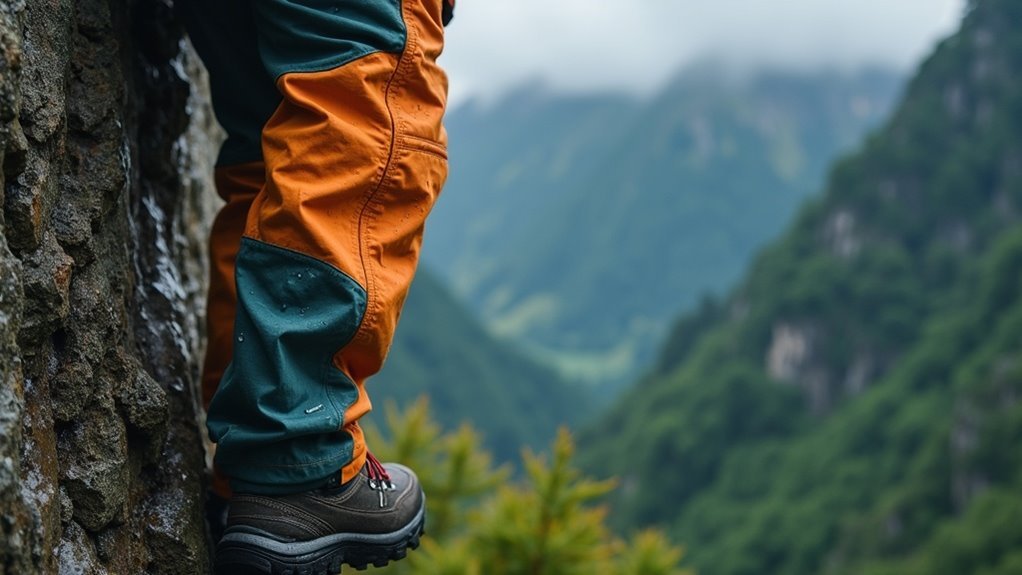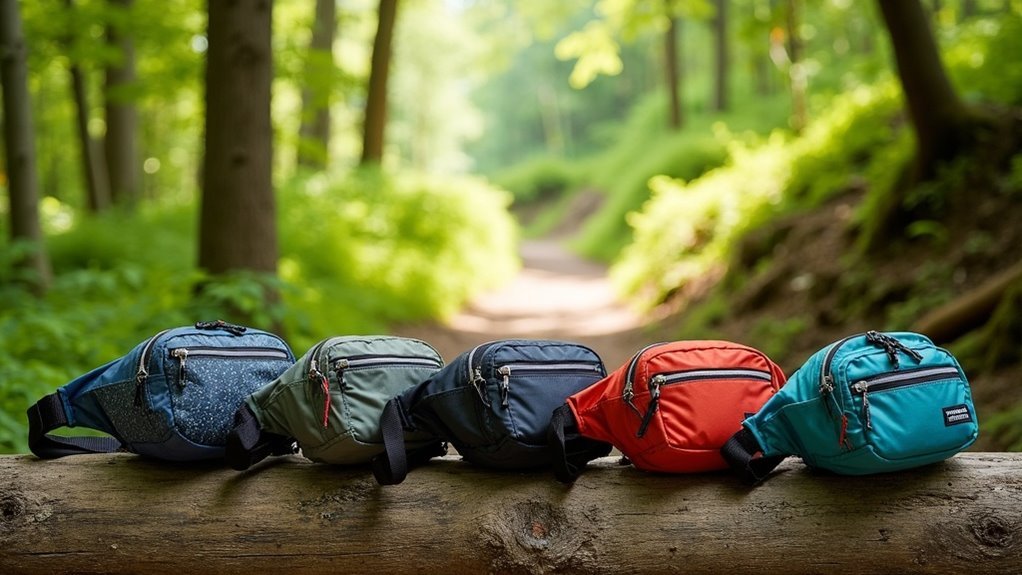

To create a hiking gear checklist by season, consider the specific weather conditions you’ll face. In spring, pack moisture-wicking layers and a waterproof jacket. For summer, prioritize lightweight clothing and hydration gear. In fall, choose smart layers for fluctuating temperatures and a rain jacket. For winter, make sure you have thermal layers and waterproof boots. It’s important to tailor your gear to seasonal changes for comfort and safety. With these tips, you’ll be well-prepared for any adventure ahead!
Key Takeaways
- Identify the season and understand its weather conditions to tailor your gear accordingly for comfort and safety.
- Create a base layer for moisture management, adjusting thickness based on seasonal temperature changes.
- Include insulating layers like fleeces or thermal jackets for warmth during cooler months.
- Ensure outer layers like waterproof jackets are included for protection against rain and wind.
- Pack season-specific accessories such as hats, sunglasses, and hydration systems to enhance your hiking experience.
Assessing Seasonal Weather Conditions
When planning your hiking trip, it’s important to assess seasonal weather conditions, as they can greatly influence your comfort and safety on the trails.
Spring’s unpredictability means you should pack moisture-wicking layers and waterproof jackets to stay dry and comfortable.
In summer, lightweight, breathable clothing is key to managing pack weight and avoiding overheating.
Fall requires a smart layering system, combining moisture-wicking base layers with warmer options for chilly evenings.
Winter demands thermal base layers and waterproof jackets to guarantee warmth and safety.
Always check local weather patterns to prepare a gear checklist tailored to the conditions you’ll face.
Essential Gear for Spring Hiking
As spring unfolds, the right gear can make all the difference in your hiking experience.
For spring hiking, layering is essential due to fluctuating temperatures. Start with a moisture-wicking base layer to keep sweat at bay, then add a lightweight fleece for warmth that’s easy to shed.
Layering is key for spring hikes; begin with a moisture-wicking base and a lightweight fleece for adaptable warmth.
A waterproof jacket is vital for unexpected rain, while waterproof hiking boots will keep your footing secure on slippery trails.
Don’t forget a wide-brimmed hat and polarized sunglasses for sun protection, as increased UV exposure can sneak up on you during clear spring days.
Stay prepared and enjoy the beauty of the season!
Must-Have Items for Summer Adventures
When summer hits, you need to gear up with essentials that keep you cool and protected.
Moisture-wicking clothing, a wide-brimmed hat, and polarized sunglasses are key for staying comfortable under the sun.
Don’t forget a reliable hydration system to keep your energy up as you tackle those warm trails.
Essential Clothing Layers
To enjoy your summer hikes comfortably, you need to focus on essential clothing layers that keep you cool and protected.
Start with moisture-wicking clothing, like synthetic or wool base layers, to pull sweat away from your skin. A lightweight, long-sleeve sun shirt is crucial for UV protection while promoting quick evaporation.
Opt for lightweight, breathable shorts or hiking pants that guarantee comfort and sun protection. Don’t forget a wide-brimmed hat and polarized sunglasses to shield your face and eyes.
Finally, pack a lightweight rain jacket for unexpected summer showers—look for one that’s easily packable and breathable.
Happy hiking!
Hydration and Sun Protection
Staying hydrated and protected from the sun is essential for a safe and enjoyable summer hiking experience. Carry at least 2 liters of water daily, using a hydration bladder or a lightweight water bottle to minimize plastic waste. Apply sunscreen with SPF 30 or higher every two hours, especially after sweating. A wide-brimmed hat and polarized sunglasses offer extra sun protection and enhance visibility.
| Item | Purpose | Tips |
|---|---|---|
| Hydration Bladder | Easy water access | Fill it before your hike |
| Water Bottle | Manage water supply | Choose reusable and lightweight |
| Sunscreen | Protect skin from UV rays | Reapply regularly |
Fall Gear for Changing Conditions
As temperatures drop and conditions change in the fall, having the right gear becomes vital for an enjoyable hike. Start with a moisture-wicking long sleeve shirt made of wool or synthetic materials to manage sweat during chilly mornings.
Layering is essential; pack a warm fleece or insulated jacket for added comfort when it gets colder. Don’t forget a breathable rain jacket or windbreaker for unexpected rain and wind.
Waterproof hiking boots with good grip are necessary for traversing wet trails. Finally, protect yourself from sun exposure with polarized sunglasses and lip balm with SPF, ensuring you remain comfortable and ready for adventure.
Winter Preparedness and Gear Selection
When you venture into the winter wilderness, being properly prepared is essential for safety and enjoyment.
Start with a waterproof base layer to wick moisture away, then add a thermal mid-layer and an insulated jacket for warmth.
Don’t forget insulated, breathable waterproof boots and microspikes or crampons for icy trails.
A headlamp or flashlight with extra batteries is vital for low visibility conditions.
Layering is key; adjust your clothing as temperatures fluctuate.
Finally, consider a Couloir backpack for its functionality and safety features tailored for snowy environments.
Stay warm, dry, and ready for adventure this winter!
Tips for Tailoring Your Checklist
To guarantee your hiking gear meets the demands of the season, start by evaluating the typical weather patterns and temperature fluctuations you might encounter.
Evaluate seasonal weather patterns and temperature changes to ensure your hiking gear is perfectly suited for your adventures.
Prioritize moisture-wicking materials for summer hikes, while focusing on insulation and waterproofing for winter. For spring and fall, incorporate layering techniques to easily adjust as temperatures change.
Don’t forget essential seasonal accessories, like UV protection items for summer and thermal layers for winter.
Regularly update your backpacking gear list based on past trips and new insights to enhance your efficiency in packing.
This tailored approach will assure a comfortable and enjoyable hiking experience all year round.