
To stay cool when hiking in high heat, wear lightweight, moisture-wicking clothing that reflects the sun. Choose early morning or late evening hikes to escape the peak heat. Hydrate regularly, sipping water and incorporating electrolytes. Use cooling techniques like wetting a bandana and resting in the shade. Recognize the signs of heat illness, and pack energy-rich snacks like fresh fruits and salty treats. There’s more to learn about effectively handling the heat during your adventures.
Key Takeaways
- Dress in light-colored, loose-fitting, moisture-wicking fabrics to enhance breathability and reflect heat.
- Hike during early morning or late evening to avoid peak sun hours and enjoy cooler temperatures.
- Stay hydrated by sipping water every 20 minutes and including electrolyte-rich snacks to replenish sodium.
- Utilize cooling techniques, such as resting in shaded areas and applying cold packs to pulse points.
- Monitor for signs of heat illness, including dizziness or confusion, and take immediate action if symptoms arise.
Dress for Success: Choosing the Right Clothing
When you hit the trails, choosing the right clothing can make all the difference in keeping you cool and comfortable.
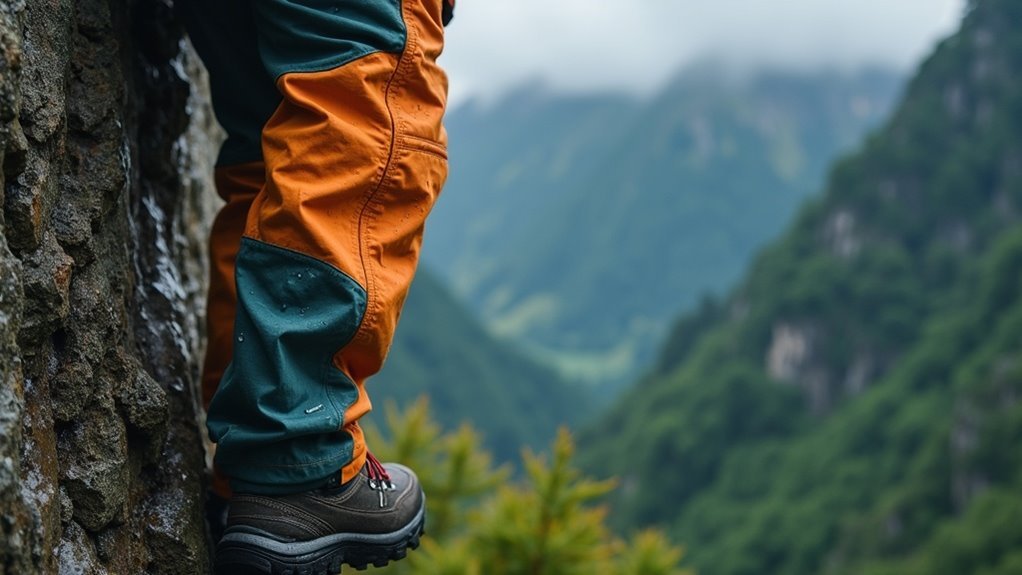
Opt for light-colored fabrics that reflect heat instead of absorbing it. Go for moisture-wicking materials like Patagonia’s Capilene Cool, promoting breathability and quick drying.
Choose light-colored, moisture-wicking fabrics like Patagonia’s Capilene Cool to stay cool, dry, and comfortable on your hikes.
Loose-fitting clothes enhance air circulation, allowing sweat to evaporate efficiently and keeping your temperature down. Long-sleeve shirts made from lightweight, breathable fabrics protect against sun exposure while ensuring airflow.
Don’t forget accessories like wettable buffs around your neck or head for additional cooling and sun protection, making your hiking experience enjoyable and safe.
Timing Is Everything: Hiking During Cooler Hours
If you want to enjoy your hike without battling the heat, timing your adventure is key.
Early morning or late evening hikes offer cooler temperatures and a more pleasant experience, while avoiding the peak sun hours between 12 PM and 3 PM keeps you safe from heat-related issues.
Early Morning Hikes
Starting your hike in the early morning can transform your outdoor experience, as the cooler temperatures create a more enjoyable and safer environment.
With an early start, you’ll enjoy temperatures 10 to 20 degrees Fahrenheit lower, helping you stay cool and reduce the risk of heat exhaustion. Early hikes also mean less humidity and minimal exposure to direct sunlight, which peaks during midday.
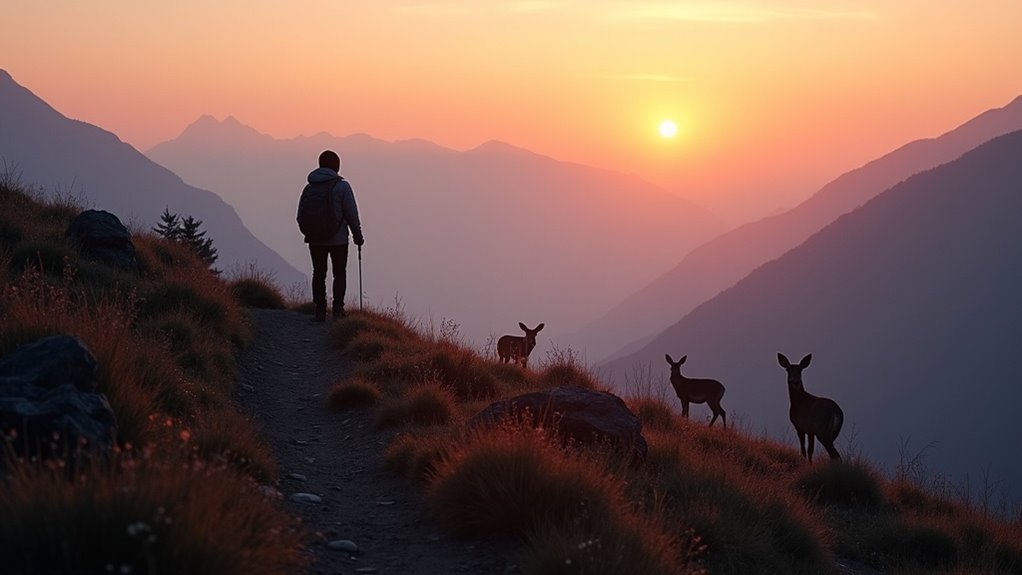
Plus, you’ll encounter fewer crowds and witness vibrant wildlife. Aim to set out one to two hours before sunrise for ideal conditions, making your adventure not only safer but also more rewarding.
Embrace these hot weather hiking tips!
Late Evening Adventures
As the sun dips below the horizon, the trails transform into a serene escape, offering rejuvenating temperatures that make hiking a pleasure rather than a chore.
Late evening hikes, typically between 6 PM and 9 PM, allow you to:
- Enjoy cooler temperatures, enhancing comfort and safety on the trails.
- Observe wildlife that thrives in the cooler hours after sunset.
- Avoid peak heat, minimizing the risk of heat-related illnesses.
Always carry sufficient lighting, like headlamps or flashlights, to guarantee safety as visibility decreases.
Embrace the tranquility of evening adventures, and you’ll find hiking becomes a delightful experience.
Avoid Peak Sun Hours
To truly enjoy your hiking experience and stay safe, timing your outings to avoid peak sun hours is essential.
Plan early morning hikes when temperatures are cooler and the sun’s intensity is low. This not only enhances your comfort but also reduces the risk of heat-related illnesses.
On your journey, seek out shaded trails to provide relief from direct sunlight. Remember to take regular breaks in these shaded areas; even short rests can considerably lower your body temperature.
Ultimately, stay hydrated by drinking plenty of water. With thoughtful planning, you can enjoy the beauty of nature while prioritizing your well-being.
The Power of Hydration: Staying Hydrated on the Trail
Hydration is your secret weapon on the trail, playing an essential role in keeping you cool and energized during your hike.
To maximize your hydration strategy, remember to:
- Sip water every 20 minutes, aiming for about 500ml per hour, or 1 litre in extreme heat.
- Include electrolyte-rich drinks or salty snacks to replenish lost sodium.
- Monitor your urine color; dark indicates dehydration, while light yellow signals you’re good to go.
Stay vigilant against symptoms of heat and adjust your intake based on temperature and exertion.
Carry enough water to guarantee you’re prepared for whatever the trail throws your way.
Effective Cooling Techniques to Beat the Heat
When the heat cranks up on your hike, knowing effective cooling techniques can make all the difference.
From using lightweight, breathable clothing to tapping into nature’s shade, you’ll find plenty of ways to keep your body temperature in check.
Plus, incorporating quick cooling methods like wetting key pulse points can help you stay comfortable and energized on the trail.
Hydration and Electrolyte Balance
As you trek through the sun-drenched trails, staying cool hinges on maintaining proper hydration and electrolyte balance.
To stay safe and energized, keep these tips in mind:
- Drink about 500ml of cool water every hour, or 1 liter in intense heat.
- Sip regularly every 20 minutes, so you don’t wait until thirst strikes.
- Use electrolyte tablets or sports drinks to replenish lost sodium.
Monitor your urine color—light means hydration, while darker indicates dehydration.
Frequent hydration breaks in shaded areas help regulate your body temperature, ensuring you enjoy your hike while keeping cool and refreshed.
Clothing and Shade Strategies
Staying cool on the trail isn’t just about hydration; the right clothing and shade strategies play an essential role too.
Opt for light-colored, loose-fitting clothing made from moisture-wicking fabrics like Patagonia’s Capilene Cool. This enhances airflow, reflects heat, and keeps your body dry.
Utilize natural shade whenever possible—resting in shaded areas can lower your body temperature by up to 20 degrees. Wear lightweight hats with brims for sun protection, and consider re-wetting them during breaks.
Regularly pause in the shade to cool down, preventing overheating and ensuring a safe, enjoyable hiking experience for you and your companions.
Cooling Techniques and Breaks
To keep your body cool while hiking, mastering effective cooling techniques is essential. Use these strategies to beat the heat:
- Utilize natural shade for up to a 20-degree temperature difference.
- Apply cold packs or wet cloths on pulse points for maximum cooling.
- Wear a wet bandana around your neck for evaporative cooling.
Remember to take frequent breaks in shaded areas, resting for 30-45 minutes. This allows your body to recover from exertion and lowers your temperature.
Recognizing the Signs of Heat-Related Illnesses
Understanding the signs of heat-related illnesses is crucial when you’re out on the trail, especially during the sweltering summer months.
Keep an eye out for symptoms like headache, dizziness, and nausea, as these can signal heat exhaustion. You might notice weakness and heavy sweating, too.
If you see flushed skin, confusion, or seizures, it could indicate heat stroke, a serious condition that needs immediate attention.
Recognizing important signs like fainting or clammy skin can help you prevent heat-related complications.
Always monitor your essential signs and be aware of your limits to guarantee a safe and enjoyable hiking experience.
Emergency Response: What to Do in a Heat Crisis
Recognizing the signs of heat-related illnesses is just the first step; knowing how to respond in a heat crisis can make all the difference.
- Call for emergency assistance if you suspect heat stroke.
- Monitor an individual with heat exhaustion for critical symptoms.
- Employ effective cooling techniques like:
- Pouring cool water over them.
- Applying cold packs to pulse points.
- Offering sips of cool fluids.
Keep the affected person lying down in a shaded area, watching their essential signs closely.
Quick action can prevent serious complications, so stay calm and focused to help those in need.
Nutrition on the Trail: Eating for Energy and Hydration
When you’re out on the trail, the right nutrition can be your secret weapon against fatigue and dehydration. Focus on consuming small, frequent meals rich in energy and hydration. Choose snacks like trail mix, bananas, or nut butter packets to maintain electrolyte balance. Remember to drink water or electrolyte drinks regularly, not just when you’re thirsty. Incorporate foods with high water content to help regulate your body temperature.
| Food Item | Benefits | Hydration Level |
|---|---|---|
| Energy Bars | Quick energy, portable | Low |
| Bananas | Easily digestible, potassium | Medium |
| Trail Mix | Energy boost, salty snacks | Low |
| Fresh Fruits | Hydrating, vitamins | High |
| Nut Butter | Sustained energy | Low |
Preparing Your Gear for Hot Weather Hiking
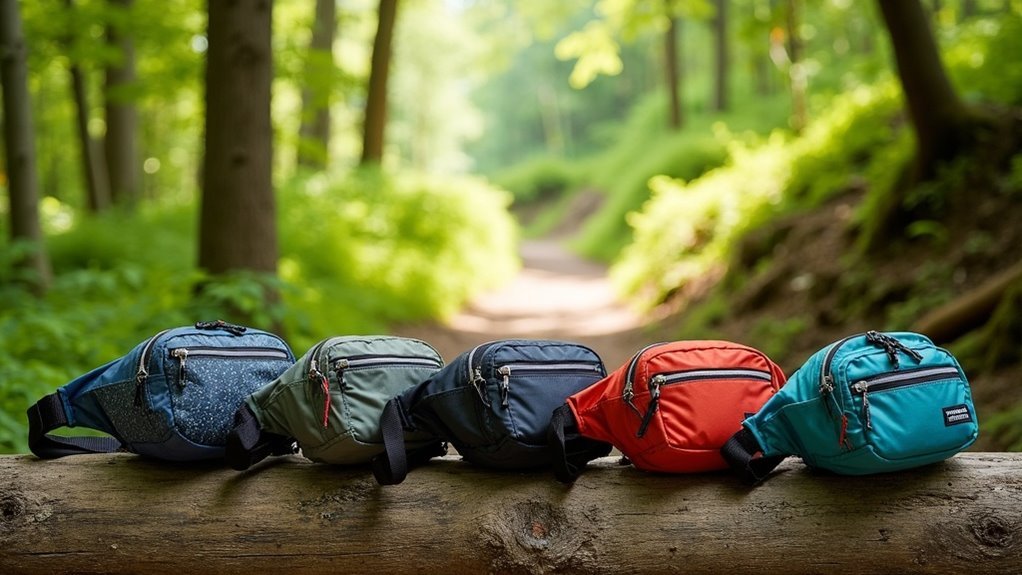
As the sun beats down on the trail, preparing your gear for hot weather hiking can make all the difference in your comfort and safety.
Focus on lightweight, moisture-wicking clothing to reflect heat and keep your body dry. Here are essential items to pack:
- A hydration reservoir or water bottles with at least 500ml per hour
- A buff for cooling your neck and head
- Salty snacks and electrolyte tablets to maintain hydration balance
With the right gear, you’ll stay cool while hiking in hot weather, ensuring you enjoy every step of your adventure.