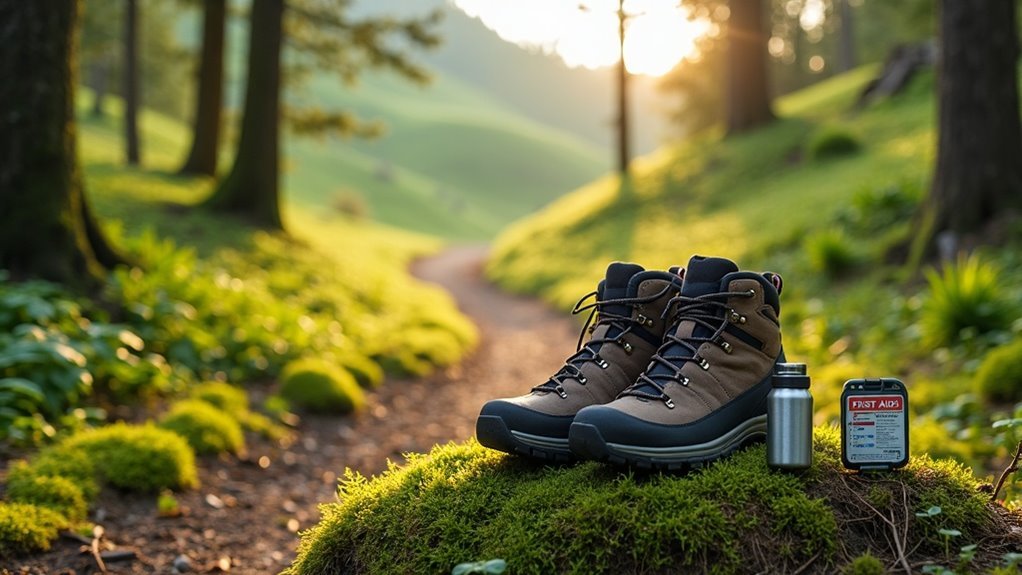
To prevent blisters while hiking, wear properly fitting, supportive boots that minimize friction. Gradually break in new shoes and use effective lacing techniques like the heel lock and surgeon’s knot to secure your feet. Keep your feet dry with moisture-wicking socks and antiperspirant foot powder, as wetness increases friction. Regularly assess hotspot areas and take immediate action to treat any discomfort. There’s much more to explore in optimizing foot care for your hiking adventures.
Key Takeaways
- Wear properly fitting hiking boots with ample toe box space to reduce movement and friction.
- Gradually break in new shoes by wearing them for short periods, increasing duration over time.
- Use moisture-wicking socks to keep feet dry and reduce friction that leads to blisters.
- Implement effective lacing techniques, such as heel locks, to secure the heel and minimize slippage.
- Regularly apply antiperspirant foot powder to control moisture and maintain comfort during hikes.
Understanding the Causes of Blisters
While you may not realize it, blisters often form due to the shear deformation that occurs when your foot moves during hiking. This movement causes the bones within your foot to shift, stretching the skin and leading to fluid accumulation.
Excessive shear forces can result in blisters developing within just two hours of increased activity, making foot care vital. Pay attention to hotspots—initial discomfort areas—since treating them promptly can prevent more severe blisters.
Additionally, callouses, while seemingly protective, can actually increase blister risk. Properly fitting hiking boots are essential to managing shear and maintaining healthy feet during your adventures.
The Importance of Proper Footwear
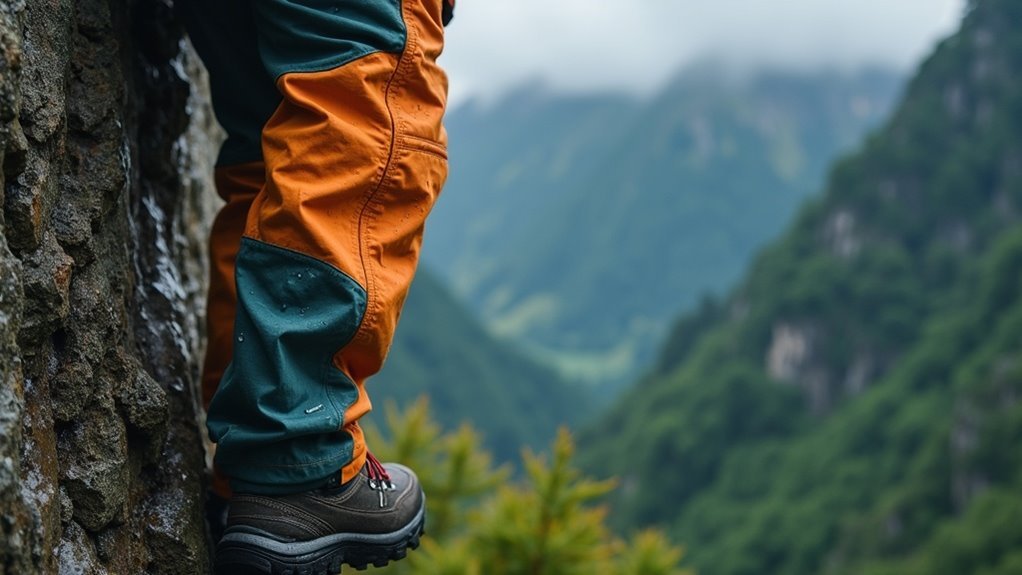
Proper footwear plays a crucial role in blister prevention during hiking. Your hiking boots should be supportive, comfortable, and fit correctly in both length and width. This minimizes movement and friction, which are primary causes of blisters.
Look for boots with sturdy ankle support and cushioned midsoles to absorb shock and lessen shear forces on your feet. Verify there’s ample space in the toe box to accommodate natural swelling and prevent black toenails.
Visiting a specialized hiking shoe store for expert fitting can greatly reduce blister risk, as they can help you find the best match for your foot shape and gait.
Techniques for Breaking in New Shoes
When you get new hiking boots, it’s essential to establish a gradual wear schedule to allow them to mold to your feet.
Pay close attention to any signs of discomfort during this period, as early detection can prevent more significant issues like blisters.
Gradual Wear Schedule
Breaking in new hiking shoes is essential for preventing blisters and guaranteeing comfort on the trail.
Follow this gradual wear schedule to care for your feet:
- Start with 30 to 60 minutes of wear, using moisture-wicking socks to keep your feet dry.
- Increase the duration daily over one to two weeks, monitoring for discomfort or rubbing.
- Incorporate practice walks on various terrains and inclines, adding weight to your backpack gradually.
Always guarantee you have the right size shoes and, if needed, wear orthotics during this process to accommodate your foot’s specific support needs.
Monitor for Discomfort
As you break in your new hiking shoes, it’s crucial to monitor for discomfort closely, since early detection can prevent more serious issues later on.
Start by wearing the right socks and using any custom orthotics during practice walks. Gradually increase your backpack weight and walk on varied terrain to simulate real conditions.
Regularly check for signs of rubbing or discomfort, allowing adjustments to lacing or fit as needed. Always dry your feet and consider incorporating blister prevention products and other foot care items into your routine to maintain foot health and guarantee a comfortable hiking experience.
Effective Lacing Techniques
Effective lacing techniques play an essential role in preventing blisters during hikes, as they help secure your foot within the boot and minimize movement.
To achieve a snug fit and prevent blisters, consider these methods:
- Heel Lock: This technique locks your heel in place, reducing slippage and friction.
- Surgeons Knot: Use this for a tighter fit to prevent heel movement, a common blister cause.
- Adjust Tension: Vary lace tension for even pressure distribution, ensuring comfort without hotspots.
Regularly check and adjust your laces throughout the hike to maintain ideal positioning and comfort, effectively preventing blisters.
Keeping Your Feet Dry and Comfortable
To keep your feet dry and comfortable during hikes, opt for moisture-wicking socks made from synthetic materials or merino wool.
These socks effectively transfer moisture away from your skin, considerably reducing the risk of blisters.
Additionally, applying antiperspirant foot powder can further control moisture and friction, enhancing overall foot comfort throughout your trek.
Moisture-Wicking Socks
While hiking, keeping your feet dry is essential for preventing blisters, and moisture-wicking socks play an important role in this process.
These specialized socks effectively draw moisture away from your skin, ensuring comfort and foot health.
Consider these benefits:
- Moisture Management: They keep your feet dry, minimizing the risk of blisters.
- Reduced Friction: Unlike cotton, they greatly reduce friction and discomfort during long hikes.
- Layering Options: Pairing thin liner socks with thicker moisture-wicking socks enhances moisture transfer and protection.
Incorporating moisture-wicking socks into your gear is a straightforward way to prevent and treat blister formation.
Foot Powder Application
Foot powder application is a crucial step in maintaining foot health during hikes. By using foot powder, you can effectively absorb moisture, keeping your feet dry and comfortable while reducing friction—key factors in blister treatment.
Opt for antiperspirant foot powders specifically designed for athletes to minimize sweat production. Regular reapplication, especially on longer treks, guarantees continued dryness.
Combine foot powder with moisture-wicking socks to further enhance blister prevention by reducing moisture retention. Always pack extra foot powder in your hiking gear, allowing for quick applications after breaks or when changing into fresh socks to maintain ideal foot health.
The Role of Hotspot Management
Addressing hotspots promptly is essential to preventing blister formation during hikes, as ignoring early signs of discomfort can lead to more severe issues.
To effectively manage hotspots, follow these three steps:
- Inspect your feet regularly for signs of friction and irritation, especially during breaks.
- Apply adhesive cloth tape over any hotspots, creating a protective barrier that absorbs friction and prevents blisters.
- Take proactive breaks to check for new discomfort, ensuring timely intervention.
Using Protective Gear for Blister Prevention
To effectively prevent blisters during hiking, utilizing protective gear is essential.
Engo blister patches can greatly reduce friction inside your shoes, while gel toe protectors absorb shear forces on specific areas. Hydrocolloid blister plasters not only protect but also accelerate healing, making them crucial for hikers prone to blisters.
Before hitting the trail, applying adhesive cloth tape over potential hotspots creates a barrier against friction. Additionally, carrying moleskin in your first aid kit allows for quick customization of protective padding around blisters or irritated areas, effectively mitigating foot problems and enhancing your overall hiking experience.