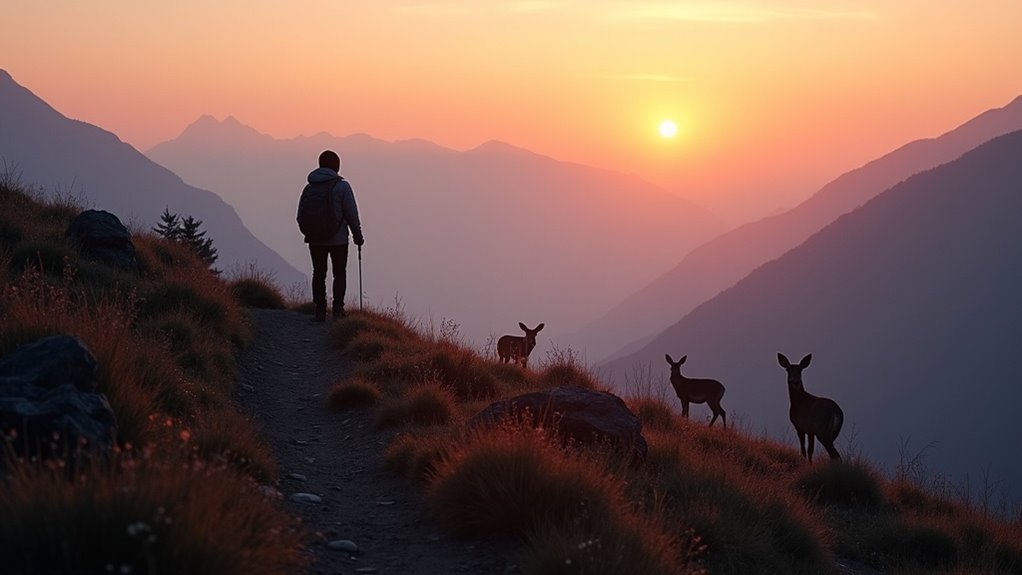
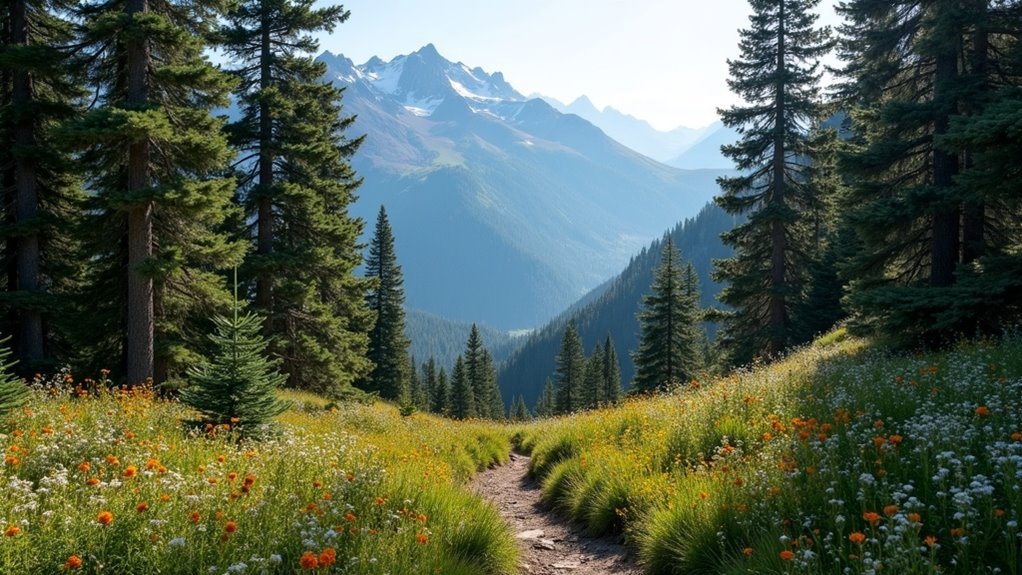
A wilderness area for backcountry hiking is a vast, undeveloped federal land, usually over 5,000 acres, where you can truly connect with nature. Here, mechanized transport is prohibited, ensuring an authentic experience away from urban distractions. You’ll find diverse wildlife, unique landscapes, and opportunities for solitude. Prepare for off-trail navigation and embrace Leave No Trace principles. Discover the importance, characteristics, and regulations of these wild sanctuaries as you plan your next adventure.
Key Takeaways
- Wilderness Areas are federally designated lands of at least 5,000 acres, offering solitude for backcountry hiking without mechanized transport.
- These areas preserve biodiversity and unique ecosystems, providing hikers a chance to connect with nature and experience remote landscapes.
- Hiking in Wilderness Areas often involves navigating off-trail, testing your navigation skills due to the lack of established paths.
- Camping is permitted in these areas, but requires setting up at least 200 feet away from trails and water sources to protect the environment.
- Adhering to Leave No Trace principles is essential in Wilderness Areas to ensure their preservation for future generations of outdoor enthusiasts.
Defining Wilderness Areas
When you step into a Wilderness Area, you’re entering a domain where nature reigns supreme, untouched by the hands of modern civilization.
Designated by the Bureau of Land Management under the Wilderness Act of 1964, these areas encompass at least 5,000 acres of undeveloped federal land.
Designated by the Bureau of Land Management, these Wilderness Areas protect at least 5,000 acres of pristine federal land.
With their primeval character preserved, Wilderness Areas offer exceptional opportunities for solitude and recreation.
You’ll find no mechanized transport here, ensuring an authentic, backcountry experience.
Activities like hiking, camping, and wildlife observation await those who seek refuge in these untouched landscapes.
Embrace the tranquility, and let nature’s beauty inspire your adventures.
Importance of Wilderness Areas
Wilderness Areas hold immense significance in today’s world, serving as essential sanctuaries for both nature and humanity. Designated by the National Park Service, these areas preserve primeval character and offer unconfined recreational opportunities like hiking and camping. They support biodiversity, protecting unique ecosystems while helping to mitigate climate change. Millions enjoy these pristine landscapes annually, fostering a connection with nature. Additionally, they serve as critical sites for scientific research and education, allowing you to engage with ecosystems in their natural state.
| Importance | Benefits | Activities |
|---|---|---|
| Biodiversity Protection | Supports diverse flora and fauna | Hiking Trails |
| Climate Mitigation | Sequesters carbon, protects watersheds | Wildlife Observation |
| Recreational Opportunities | Solitude and unconfined recreation | Camping |
| Educational Value | Study ecosystems without interference | Research |
Characteristics of Wilderness Areas
While exploring the vast expanses of Wilderness Areas, you’ll quickly discover their defining characteristics that set them apart from other landscapes.
Designated by the Bureau of Land Management, these areas, often over 5,000 acres, retain a primeval character and influence. With no mechanized transport allowed, you’re immersed in nature, enhancing your backcountry experience.
Expect remoteness, diverse wildlife, and unique geological formations that captivate your senses. Many areas lack established trails, testing your navigation skills during overnight backpacking trips.
Prepare for a journey through remote landscapes, where diverse wildlife and captivating geology challenge your navigation skills on unmarked trails.
Remember to practice Leave No Trace principles, ensuring your presence respects the pristine environment of these incredible Wilderness Study Areas.
Regulations and Guidelines for Wilderness Areas
Maneuvering through the enchanting landscapes of wilderness areas comes with responsibilities that guarantee these pristine environments remain untouched for future generations.
To enhance your wilderness experiences, remember that camping at least 200 feet from trails and water sources is vital. Many National parks and Public Lands require permits for overnight use, so check local regulations.
While off-trail hiking is allowed, excellent navigation skills are essential to avoid environmental damage.
Also, adhere to food storage guidelines, using bear canisters or proper hanging methods to protect wildlife.
Popular Activities in Wilderness Areas
When you step into the serene embrace of backcountry hiking, a world of adventure unfolds, offering activities that deepen your connection with nature.
Wilderness areas are perfect for immersing yourself in outdoor recreation. Here are some popular activities you can enjoy:
- Hiking – Explore developed trails and experience solitude away from urban life.
- Camping – Set up in primitive campsites for a true wilderness experience.
- Photography & Painting – Capture the stunning landscapes and wildlife around you.
- Rock Climbing – Test your skills in areas where it’s permitted, thanks to recent legislation.
Embrace these experiences for unforgettable memories!
Preparing for Wilderness Hiking
Before you hit the trails, make sure you have your essential gear checklist ready.
Guiding through Wilderness Study Areas requires not just the right tools, but also the skills to use them effectively.
With the right preparation, you’ll be set to tackle the challenges of backcountry hiking with confidence.
Essential Gear Checklist
Setting out on a wilderness hiking adventure requires careful preparation and the right gear to guarantee a safe and enjoyable experience.
To make certain you’re ready for backcountry hiking, pack these essential items:
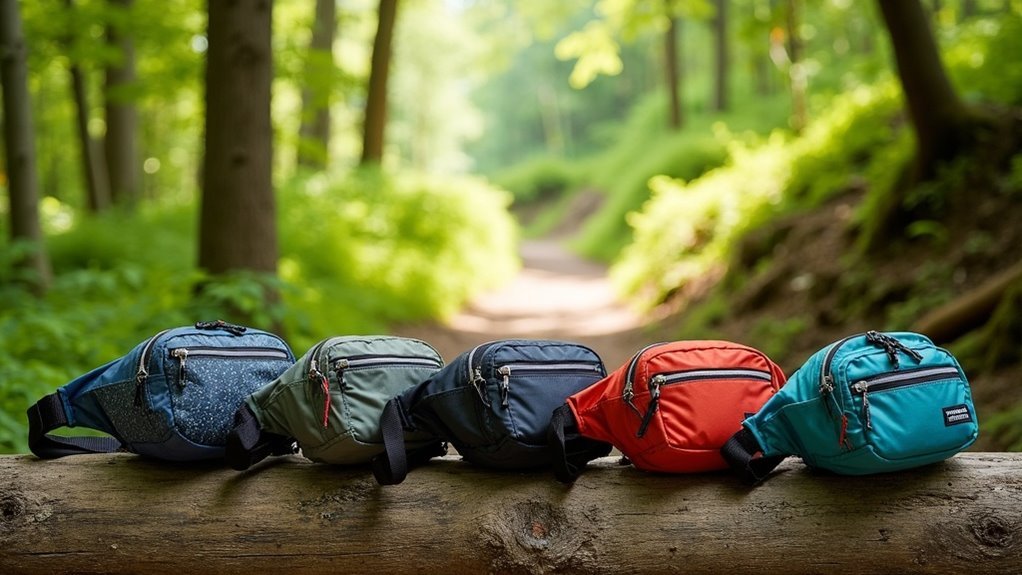
- Lightweight Pack – Aim for under 40 pounds for comfort and mobility.
- Water Purification System – Carry at least 32 ounces of water and a reliable method to purify it.
- Navigation Tools – A map and compass are vital in undeveloped areas.
- Cooking Supplies – Include a lightweight stove, pot set, utensils, and high-protein, calorie-dense foods to keep your energy up.
Navigation and Skills
Steering through the wilderness can be exhilarating, but it also demands a solid grasp of essential skills to guarantee your safety and enjoyment.
Mastering navigation skills is vital, especially in wilderness areas where defined trails often vanish. Familiarize yourself with topographic maps and tools like CalTopo or Google Earth to plot routes and locate resources.
Practice route finding on local trails to build confidence for off-trail exploration. Always remember Leave No Trace principles, ensuring your journey leaves minimal impact on sensitive habitats.
With these skills, you’re not just hiking; you’re serving nature and preserving its beauty for future adventurers.
Benefits of Visiting Wilderness Areas
When you venture into wilderness areas, you’re not just escaping the hustle and bustle of daily life; you’re immersing yourself in a domain where solitude reigns and nature thrives.
The benefits of visiting these remarkable places include:
- Unconfined Recreation: Engage in activities that let you connect deeply with the environment.
- Wildlife Observation: Experience diverse ecosystems and capture stunning photographs.
- Adventure and Challenge: Test your navigation skills in remote terrains.
- Conservation Contribution: Support efforts to protect natural habitats for future generations.
Explore these areas for personal growth, self-discovery, and to cherish our planet’s beauty.