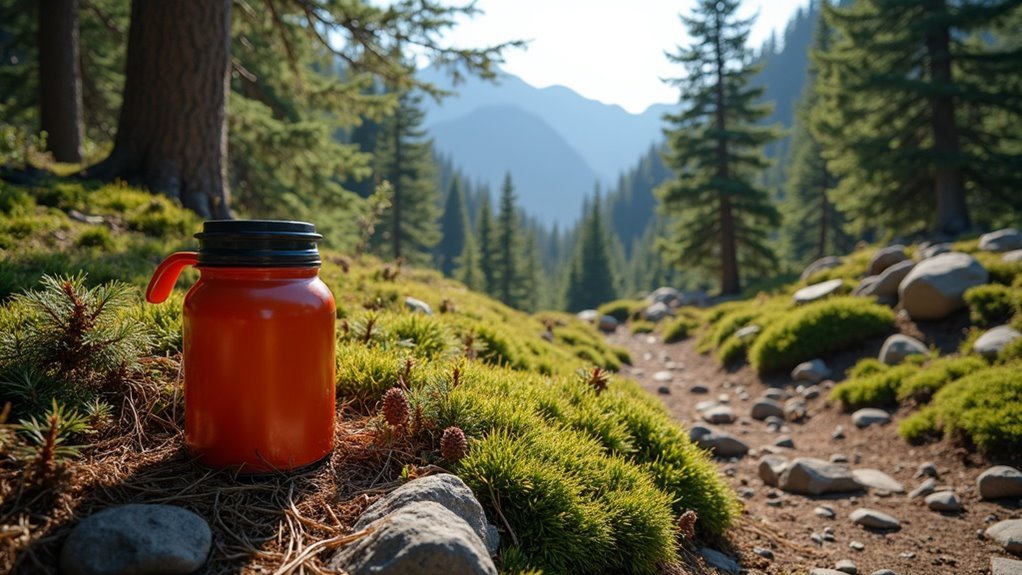
Bear canister requirements for hiking areas are essential for keeping your food safe from bears and preventing dangerous encounters. Many National Parks mandate approved bear canisters for food storage, especially on specific trails during certain seasons. If you don’t comply, you could face hefty fines or even jail time. Using a bear canister not only protects you but also contributes to wildlife conservation. Want to know best practices for using canisters effectively? There’s more to explore!
Key Takeaways
- Many National Parks require approved bear canisters for food storage to prevent dangerous bear encounters.
- Specific trails may mandate canisters during certain seasons, such as the Appalachian Trail from March 1 to June 1.
- Non-compliance can result in fines up to $5,000 or expulsion from parks.
- Storing food in bear canisters supports wildlife conservation and adheres to Leave No Trace principles.
- Always check with park rangers for the latest regulations on bear canister requirements in hiking areas.
Understanding Bear Canister Requirements
When you head into the backcountry, understanding bear canister requirements is essential for your safety and that of the wildlife around you.
Many National Parks, like Yosemite and Sequoia/Kings Canyon, enforce regulations mandating approved bear canisters as a food storage method to minimize human-bear interactions.
Many National Parks, including Yosemite and Sequoia/Kings Canyon, require bear canisters to reduce human-bear encounters.
Specific trails may require using bear canisters during certain seasons, such as the Appalachian Trail from March 1 to June 1.
Failing to comply can result in hefty fines or even jail time.
Always research local regulations, as they differ by park and trail, and consider rental programs if you don’t own a canister.
Importance of Using Bear Canisters
Understanding the importance of using bear canisters is essential for anyone venturing into bear country. These hard-sided food storage solutions prevent bears from accessing human food, reducing dangerous encounters and fostering safer outdoor experiences.
By using bear canisters, you protect both your food supplies and bear health, ensuring they don’t associate humans with easy meals. Many National Parks require these canisters, supporting Leave No Trace principles.
Research shows that bears learn to avoid canisters, further enhancing safety. So, make responsible choices and use bear canisters to help maintain a healthy environment for both yourself and the bears.
Regulations and Consequences for Non-Compliance
While enjoying the great outdoors, it’s crucial to be aware of regulations surrounding bear canister use, as failing to comply can lead to serious consequences.
Many National Parks mandate approved bear canisters for food storage, and non-compliance can result in hefty fines or even expulsion. In Boundary Waters, a Class B misdemeanor could mean a $5,000 fine or six months in jail.
Many National Parks require approved bear canisters; non-compliance may lead to severe penalties, including fines and possible jail time.
Ignoring these regulations not only jeopardizes your safety but also increases dangerous bear encounters, exacerbating human-bear conflict.
Always check with park rangers for current guidelines to protect both yourself and wildlife during your adventures.
Types of Bear Canisters and Their Effectiveness
Choosing the right bear canister is essential for ensuring your food remains safe from wildlife during hikes.
Bear canisters, like the approved models BV425, BV450, and BV475, provide reliable bear-resistant food storage. Unlike traditional hanging methods, these hard-sided containers effectively deter bears, who adapt to accessible food.
Using a bear canister simplifies your experience by eliminating the need for suitable trees and reducing risks associated with defending food.
Studies show that bears frustrated by canisters are less likely to approach human campsites, enhancing safety in National Parks.
Prioritize your safety and the wildlife’s by choosing the right canister for your adventures.
Seasonal and Trail-Specific Bear Canister Rules
When planning your hike, it’s essential to understand that bear canister rules can vary by season and trail.
For instance, some parks require canisters only during peak bear activity months, while others enforce specific regulations on popular trails.
Staying informed about these requirements not only keeps you safe but also protects the bears and their habitat.
Seasonal Regulations Overview
Understanding the seasonal regulations for bear canisters is essential for safe hiking in areas known for bear activity.
Many National Parks and trails have specific rules based on peak bear activity months. Familiarize yourself with the following key points:
- Certain parks, like Yosemite, require bear canisters during peak months.
- The Appalachian Trail mandates canisters from March 1 to June 1.
- Regulations can vary; check local guidelines before heading out.
- Contact park rangers for the latest food storage rules.
Trail-Specific Requirements
As you plan your hike, be aware that many trails have specific bear canister requirements tailored to their unique environments and bear activity levels.
In bear country, like the Pacific Crest and Appalachian Trails, certain sections mandate bear canisters to protect both bears and hikers. For instance, in the Southern Appalachian region, canisters are required from March 1 to June 1 during peak foraging.
National Parks, such as Yosemite and Sequoia, also enforce regulations on food storage during high activity months.
Always check with local park rangers for the latest bear canister requirements specific to your chosen hiking trails.
Compliance and Consequences
Bear canister regulations aren’t just recommendations; they’re enforced rules designed to keep both hikers and wildlife safe. Understanding and complying with these regulations is vital to prevent human-bear conflicts.
Here’s what you need to know:
- Many parks, like Yosemite, require bear canisters for food storage.
- Seasonal regulations mandate canister use during specific months, such as in Sequoia.
- Certain Appalachian Trail sections require canisters from March 1 to June 1.
- Non-compliance can lead to fines or expulsion, with penalties reaching $5,000 in some areas.
Always research your hiking areas’ specific bear canister requirements to guarantee safety for all.
Best Practices for Using Bear Canisters
When using a bear canister, proper placement and efficient packing are essential for your safety and convenience.
Always store your canister at least 100 feet from your campsite to keep bears at bay, and pack it smartly to maximize space and minimize odors.
Proper Canister Placement
To guarantee your safety and protect wildlife, it’s crucial to place bear canisters correctly during your hike.
Follow these best practices for proper placement:
- Store your bear canister at least 100 feet away from your campsite in open, level areas.
- Flip the canister upside-down when not in use to deter bears and protect against rain.
- Use fluorescent paint or reflective stickers to enhance visibility at night.
- Wedge the canister securely into the ground and verify the lid is tightly sealed.
Efficient Packing Techniques
Packing your bear canister efficiently is essential for maximizing space and keeping your gear organized. Start by removing excess air from food packages to create a compact packing system.
Store heavier items at the bottom for stability during your hike. Use your canister not just as a food container, but also as a storage container for cooking gear and hygiene items, ensuring all scented items are secured.
Consider a pack like the REI Flash55 for easy accommodation of larger canisters.
Finally, attach reflective tape or a Bluetooth tracking device to enhance visibility, making it easier to locate your canister during overnight trips.
Community Insights and Experiences With Bear Canister Use
Why consider bear canisters for your next hike? The community’s insights reveal that using bear canisters greatly enhances your hiking experience.
Here are a few reasons to embrace them:
- Effectively prevents bears from accessing your food storage.
- Reduces the risk of dangerous encounters with wildlife.
- Simplifies food management, preventing loss and theft.
- Rental programs make bear canisters accessible for all hikers.
Many seasoned hikers recommend year-round use, especially in areas with known bear populations.
Their positive experiences highlight the importance of adhering to regulations, ensuring both your safety and wildlife preservation.
Embrace responsible hiking practices!