Base weight in ultralight hiking is the total weight of your gear, minus food, water, and fuel. This weight is vital for optimizing your hiking experience since lower base weight reduces physical strain and boosts mobility. By focusing on essential gear and choosing lightweight options, you can enhance your comfort and cover more ground efficiently. Discover how to achieve an ideal base weight and the strategies to lighten your load for your next adventure!
Key Takeaways
- Base weight is the total weight of gear carried in a backpack, excluding food, water, and fuel.
- Managing base weight is essential for reducing physical strain and enhancing mobility during hikes.
- Essential components of base weight include shelter, sleeping system, cooking gear, and non-worn clothing.
- A lower base weight improves hiking efficiency, allowing for longer distances with less fatigue.
- Regular gear evaluations and investing in lightweight, multi-purpose items help achieve an ideal base weight.
Understanding Base Weight
Base weight is an essential concept for any hiker looking to optimize their experience on the trail. It refers to the total weight of your gear and equipment, excluding consumables like food, water, and fuel.
Managing your base weight is important; a high base weight complicates hikes and increases physical strain, while a lower weight enhances mobility and reduces fatigue.
To reduce your base weight, focus on selecting essential gear and consider ultralight options.
What Is Included in Base Weight?
When you think about base weight, consider all the gear you carry in your backpack, excluding food, water, and fuel.
This includes essentials like your shelter, sleeping system, and cooking gear, as well as any clothing that isn’t worn during your hike.
Understanding these components helps you optimize your load for a more comfortable experience on the trail.
Essential Gear Components
To maximize your efficiency on the trail, it’s crucial to understand what contributes to your base weight. Your base weight includes essential gear components like your shelter, which could be a tent, tarp, or hammock system.
Don’t forget your sleeping system—your sleeping bag or quilt, sleeping pad, and any additional insulation. The empty backpack itself also counts.
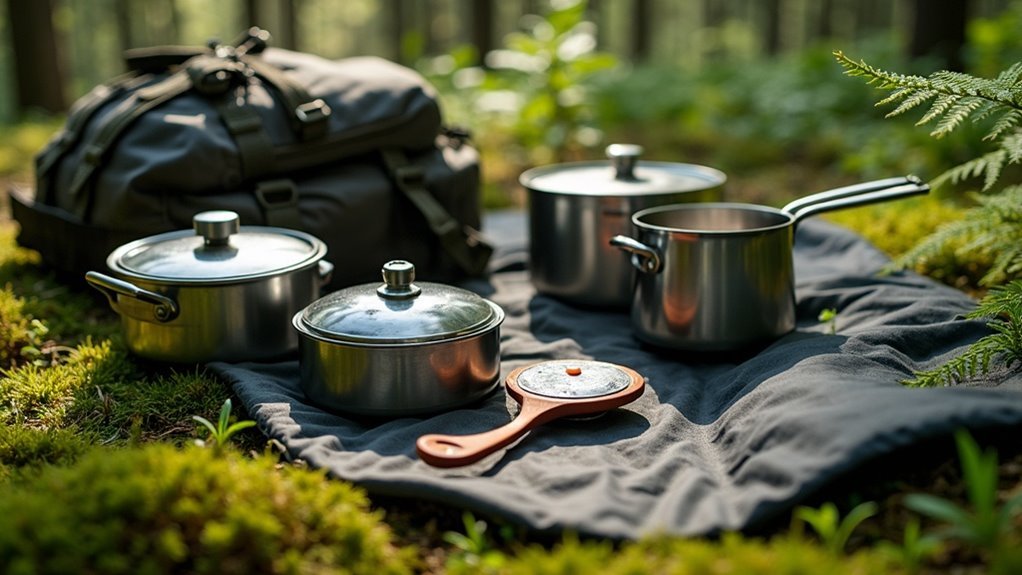
Cooking gear, including your stove, cookware, and utensils, adds to this weight. Remember, only items intended for use while hiking are included, excluding consumables like food, water, and fuel.
Knowing these components helps you make informed choices for a lighter pack.
Clothing and Accessories
What items should you consider when evaluating your base weight? Your clothing plays a significant role, including extra layers like rain jackets, hats, and thermal layers packed away.
Accessories also matter—think trekking poles, gloves, and extra footwear, essential for comfort and safety.
Remember, base weight calculations only include clothing not worn during your hike to keep evaluations consistent.
To minimize weight, opt for multi-purpose clothing that maximizes functionality.
Each item you choose impacts your overall base weight, so select wisely to enhance your ultralight hiking experience while ensuring you’re prepared for the elements.
Why Is Having a Lower Base Weight Important?
Having a lower base weight is essential for reducing physical strain on your body, allowing you to hike longer distances with less fatigue.
This increased efficiency means you can cover more ground in less time, enhancing your overall experience.
Plus, a lighter pack boosts your comfort levels, letting you truly enjoy the beauty around you.
Reduced Physical Strain
When you’re out on the trail, carrying a lighter pack can make all the difference in your physical comfort. A lower base weight substantially reduces the strain on your joints and muscles, allowing you to hike longer distances without excessive fatigue.
Research shows that for every pound you carry, your body expends about 5% more energy. By reducing the weight of your pack, you enhance your endurance and minimize the risk of injuries.
With a base weight under 10 pounds, you can focus on the beauty around you rather than the discomfort of a heavy load, enriching your hiking experience.
Increased Hiking Efficiency
Carrying a lighter pack not only reduces physical strain but also greatly boosts your hiking efficiency.
With a lower base weight, you can cover greater distances with less fatigue, enabling quicker and more enjoyable hikes. This increased mobility and endurance allow you to travel faster, enhancing your overall experience on the trail.
Additionally, a decreased base weight minimizes stress on your body, reducing the risk of injuries and promoting a longer hiking life.
By prioritizing essential items and eliminating unnecessary gear, you can optimize your packing strategy, making every hike more rewarding.
Embrace the benefits of a lighter pack for greater efficiency!
Enhanced Comfort Levels
Reducing your pack weight considerably enhances your comfort levels on the trail.
A lower base weight not only eases physical strain but also allows you to fully enjoy your surroundings without the burden of heavy gear.
Here’s how it benefits you:
- Less fatigue: Tackle longer distances with ease.
- Improved mobility: Move faster and cover more ground.
- Reduced injury risk: Prevent overexertion and promote longevity in hiking.
Benefits of a Low Base Weight
Embracing a low base weight in ultralight hiking offers numerous advantages that elevate your outdoor experience.
When you maintain a base weight under 10 pounds, you reduce physical strain, lowering the risk of injuries. A lower base weight allows you to cover greater distances each day, leading to more efficient travel and maximizing your adventures.
You’ll enjoy your hike more as lighter gear minimizes fatigue, enhancing your comfort in nature. Plus, with faster hiking speeds, you can tackle longer stretches even on a tight schedule.
Ultimately, minimizing pack weight promotes a longer, healthier hiking life, keeping you active outdoors.
How to Achieve an Ideal Base Weight
How can you achieve an ideal base weight for ultralight hiking? Start by evaluating your gear collection and keeping only the essentials.
Here are some tips to help you reduce your base weight:
- Invest in high-quality, lightweight gear that balances performance and weight.
- Choose multi-purpose items that serve several functions, minimizing pack contents.
- Conduct regular gear shakedowns to eliminate unnecessary items before trips.
Steps to Calculate Base Weight
To effectively manage your gear and achieve your ideal base weight, you need to calculate it accurately.
Start by gathering all your gear, excluding consumables like food, water, and fuel. Use a digital kitchen or luggage scale to weigh each item, rounding to the nearest ounce or gram.
Organize your gear into categories such as shelter, sleeping system, cooking gear, and clothing to create a thorough list. Sum the weights to determine your total base weight.
Regularly review and adjust your gear list to optimize weight reduction, ensuring you only carry what’s essential for your next adventure.
Base Weight Considerations
While considering your base weight, it’s important to recognize that every ounce counts when it comes to comfort and efficiency on the trail. Understanding what your base weight means helps you make informed decisions about your gear.
Here are key considerations:
- Base weight includes all gear except consumables like food and water.
- Clothing worn during hiking is generally part of your base weight.
- Accurate calculation involves weighing gear and organizing it by category.
A lower base weight reduces physical strain and enhances your overall hiking experience, allowing you to focus on serving others while enjoying nature’s beauty.
Gear Weight Reduction Strategies
Reducing your gear weight can greatly enhance your hiking experience, allowing you to move more freely and comfortably on the trail.
Start with a gear shakedown, evaluating the weight of your items and their necessity. Invest in lightweight gear that offers durability and functionality. Choose multi-purpose items, like a sleeping pad that doubles as a seat, to minimize redundancy.
Avoid overpacking clothing or duplicates, as these can add unnecessary weight. Regularly review your gear list, focusing on gear minus consumables, and eliminate what you don’t need.
An optimized pack leads to a more enjoyable and efficient hike.