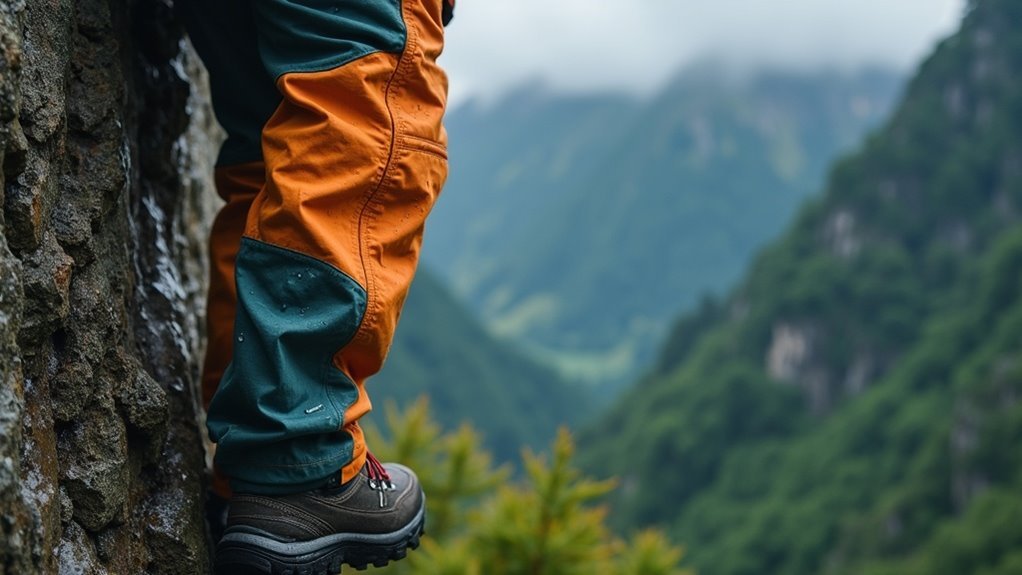
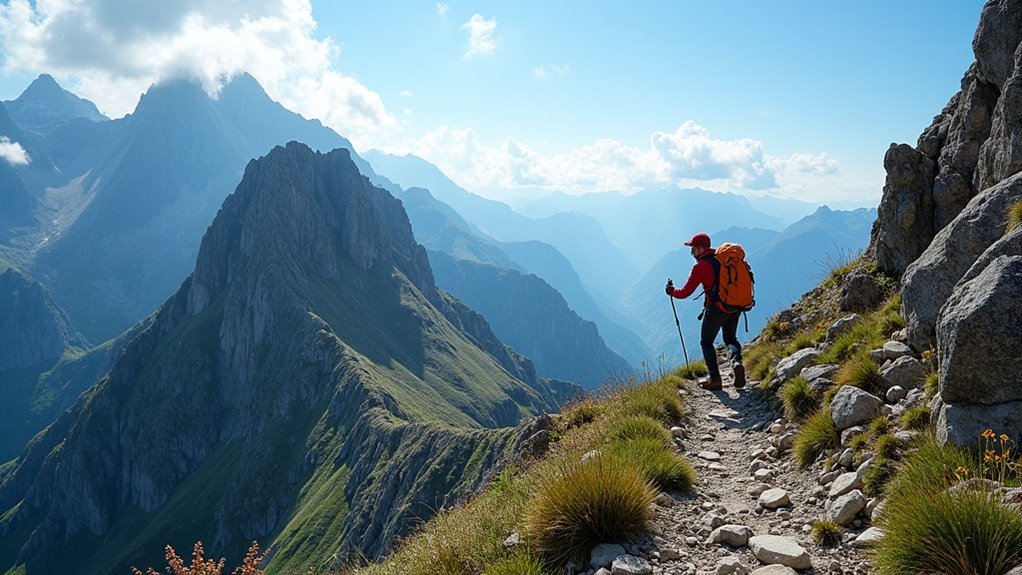
Scrambling in hiking routes means combining hiking with climbing on rocky terrain and steep ascents. It requires more skills and endurance than regular hiking, often involving the use of hands for balance. Routes vary in difficulty, from simple scrambles to more challenging climbs. Safety is key, so you’ll need proper gear and to stay aware of weather changes. Want to discover popular scrambling locations and the best ways to prepare? There’s much more to uncover!
Key Takeaways
- Scrambling is a challenging outdoor activity that combines hiking with rocky terrain and requires more advanced skills and endurance than traditional hiking.
- It typically involves navigating steep ascents and rocky paths, often found in mountainous regions like Glen Coe.
- Scrambling routes are classified by difficulty, ranging from Class 2 (simple) to Class 3 (requiring hands for balance).
- Safety is crucial in scrambling; awareness of weather conditions and carrying essential gear, like a map and first aid kit, is necessary.
- Scrambling experiences vary by country, offering unique challenges and stunning landscapes, with graded routes available in regions like the UK, Canada, and Italy.
Overview
When you venture into scrambling, you’re stepping beyond traditional hiking into a domain where rocky terrain and steep ascents challenge your skills and endurance.
Scrambling blends the thrill of hiking with the excitement of traversing rugged paths, often found on routes leading to the highest mountains. In Glen Coe, for instance, you’ll encounter exhilarating paths that require using your hands and feet, making it a perfect spot for those ready to elevate their outdoor adventures.
While scrambling can be accessible without technical gear, always prioritize safety by being aware of weather changes and ensuring you have the right equipment and orientation skills.
Alpine Scrambling
How do you prepare for the exhilarating challenge of alpine scrambling? Embrace your head for heights as you navigate rocky terrains like Aonach Eagach, where balance and body contact are key. You’ll rely on your hands and feet to conquer these exhilarating routes. Here’s a quick guide to help you gear up:
| Key Considerations | Details |
|---|---|
| Difficulty Level | Class 2 or 3 (YDS) |
| Classic Routes | North Ridge of Tryfan, Striding Edge |
| Essential Gear | Ten Essentials for safety |
| Popular Locations | Scottish Highlands, Snowdonia |
Prepare wisely, and enjoy the adventure along the route!
Hazards and Safety
As you commence on the thrilling adventure of alpine scrambling, it’s crucial to stay aware of the potential hazards that can turn a rewarding experience into a risky one.
Here are three critical safety considerations:
- Weather Changes: Bad weather can swiftly turn easy scrambles into serious challenges, creating disorienting conditions.
- Slippery Surfaces: Hazards like black ice and verglas can make familiar routes dangerously slick.
- Preparation: Carry the Ten Essentials, including a map and first aid kit, to guarantee you’re ready for any situation.
Classification Systems
When you’re planning your next scramble, understanding the classification systems can make all the difference.
The U.S. employs the Yosemite Decimal System to assess routes, while the British grading breaks scrambles into Easy, Moderate, and Difficult categories.
U.S. Classification Systems
While exploring the diverse landscapes of the U.S., understanding the classification systems for scrambling routes is essential for any hiker.
The Yosemite Decimal System breaks scrambling into Classes 2 and 3:
- Class 2: Simple scrambles; steep but no technical skills needed.
- Class 3: More challenging; hands needed for balance and careful foot placements.
- Risk Assessment: Conditions can shift, making routes more difficult.
British Scrambling Grades
How can you navigate the fascinating world of British scrambling grades? In the UK, scrambles are classified as Easy, Moderate, or Difficult, guiding you through varying challenges.
Ashton’s system further refines this, rating scrambles from Grade 1 to 3S, with “S” highlighting serious risks. Grade 1 routes, like the North Ridge of Tryfan, are accessible, while Grades 2 and 3 require advanced skills and involve greater exposure.
Understanding these grades empowers you to select routes that match your abilities, ensuring a safe and enjoyable experience. Choose wisely, and you’ll serve both yourself and your fellow adventurers on the trails!
By Country
Scrambling routes vary greatly across countries, each offering unique challenges and experiences for outdoor enthusiasts. Here’s a glimpse of what you can expect:
- United Kingdom: Graded routes like the North Ridge of Tryfan provide thrilling challenges.
- Canada: The Canadian Rockies boast diverse paths, detailed in guidebooks for your convenience.
- Italy: Via ferrata routes feature fixed aids, making scrambling safer and accessible.
Whether you’re traversing the Tatras in Poland or evaluating Class 2 scrambles in the U.S., each country enriches your adventure with stunning landscapes and rewarding climbs.
Embrace the journey and enjoy the thrill of scrambling!
See Also
Exploring the world of scrambling opens up a treasure trove of related adventures and resources for outdoor lovers. You might want to check out classic routes like the North Ridge of Tryfan in Wales, known for its stunning views and accessibility.
Understanding the Yosemite Decimal System and British grading can help you choose the right path based on your skill level. Remember, safety is essential; always carry the Ten Essentials and monitor weather conditions.