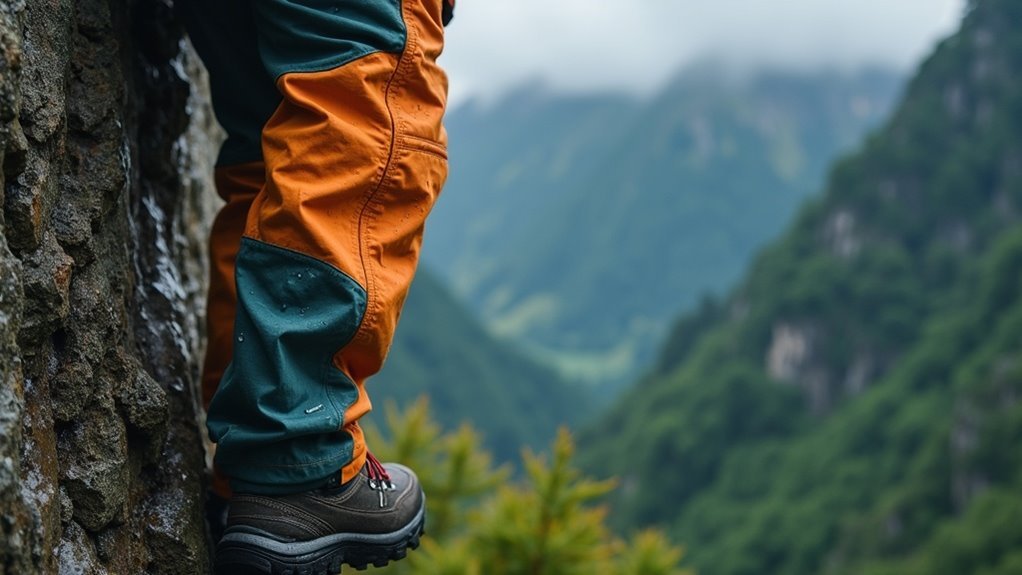

When hiking at high elevations, you’re at a significant risk for altitude sickness due to decreased oxygen levels. Even at 8,000 feet, symptoms like headache, nausea, and dizziness can arise quickly. Rapid ascent, dehydration, and personal health factors further heighten your vulnerability. It’s essential to recognize signs early and take preventive measures. Understanding how to manage and acclimatize properly can help you enjoy your adventure safely—there’s more to discover about staying healthy in the mountains.
Key Takeaways
- Altitude sickness risk increases significantly when hiking above 8,000 feet due to decreased oxygen levels and air pressure.
- Rapid ascent, especially beyond 11,000 feet, heightens the likelihood of developing acute mountain sickness (AMS).
- Personal factors like previous altitude sickness history, age, and weight can influence individual susceptibility to altitude sickness.
- Dehydration from exertion and high sun exposure exacerbates symptoms, making hydration essential during high elevation hikes.
- Immediate descent and rest are crucial for managing symptoms and preventing severe complications like HAPE or HACE.
Overview of Altitude Sickness
When you ascend to high altitudes too quickly, you risk developing altitude sickness, also known as acute mountain sickness (AMS). This occurs due to decreased oxygen levels, making acclimatization challenging.
The symptoms usually emerge within the first 24 hours and can escalate rapidly, particularly at elevations above 8,000 feet. At 11,000 feet, nearly everyone experiences some form of sickness.
Severe cases, like High Altitude Pulmonary Edema (HAPE) and High Altitude Cerebral Edema (HACE), require urgent medical care.
To prevent altitude sickness, prioritize gradual ascent, stay hydrated, and consider medications that aid in acclimatization. Your body will thank you!
Symptoms of Altitude Sickness
Altitude sickness can manifest with a variety of symptoms that signal your body’s struggle to adjust to reduced oxygen levels.
You might experience a headache, nausea, vomiting, and loss of appetite within the first day. Keep an eye out for fatigue, dizziness, and shortness of breath as common indicators.
In severe cases, swelling in the hands, feet, or face can occur, often linked to acute mountain sickness.
More serious forms, like high altitude pulmonary edema (HAPE) and high altitude cerebral edema (HACE), can lead to symptoms like confusion and loss of coordination, requiring immediate medical attention to prevent complications.
Causes of Altitude Sickness
As you ascend to higher elevations, your body encounters reduced oxygen levels due to decreased air pressure, which can trigger altitude sickness.
At 13,000 feet, you’ll find only 60% of the oxygen available at sea level, making it tough to adjust to lower oxygen.
Acute mountain sickness usually develops within the first day at altitudes above 8,000 feet, with nearly everyone experiencing some signs of AMS at 11,000 feet or higher.
Rapid ascent, dehydration, and personal health can exacerbate altitude sickness causes.
Prioritizing acclimatization over two days is essential for preventing altitude sickness symptoms and ensuring a safer hiking experience.
Risk Factors for Altitude Sickness
Though many people find the thrill of high-altitude hiking irresistible, several risk factors can make you more vulnerable to altitude sickness.
Ascending above 8,000 feet increases your risk, especially if you’re climbing rapidly. Personal factors like a history of altitude sickness, age, and weight play a role too.
At higher elevations, symptoms of AMS can emerge quickly, and dehydration from sun exposure and exertion can worsen these effects.
It’s essential to maintain adequate hydration to reduce the risk of developing altitude illness.
Diagnosis and Testing Procedures
Recognizing the signs of altitude sickness is essential for any high-elevation hiker. Your diagnosis begins with a detailed report of symptoms and a thorough physical examination, focusing on your breathing and heart rate.
Medical professionals may conduct coordination tests to rule out severe conditions like High Altitude Pulmonary Edema (HAPE) or High Altitude Cerebral Edema (HACE). X-rays can check for fluid accumulation in your lungs, while EKGs assess heart health.
In some cases, MRI scans help detect brain swelling and evaluate long-term effects. Expect questions about your ascent history to guarantee an accurate diagnosis tailored to your situation.
Management and Treatment Options
When altitude sickness strikes, swift action can make all the difference in your hiking experience. The only definitive treatment is a descent of at least 984 feet (300 meters) to alleviate severe symptoms.
For mild symptoms, consider supplemental oxygen for temporary relief. Medications like acetazolamide, dexamethasone, and nifedipine can help manage symptoms and support acclimatization.
If you notice signs of HAPE or HACE, immediate medical attention is essential. Prioritize rest and acclimatization at the first signs of altitude sickness, and avoid further ascent until you feel better.
Always consult your healthcare provider for tailored advice.
Prevention Strategies for Altitude Sickness
To effectively prevent altitude sickness, it’s crucial to take a proactive approach before you hit the trails. Here are key strategies to help you acclimatize and reduce risk:
- Limit Ascent: Gradually ascend no more than 984 to 1,640 feet daily above 8,202 feet.
- Stay Hydrated: Drink 3 to 4 liters of water daily to combat dehydration, which can worsen symptoms.
- Carbohydrate Intake: Increase carbs to maintain energy and support acclimatization.
Don’t forget to take rest days and consider preventive medications like acetazolamide to help mitigate altitude sickness symptoms.
Prepare wisely, and enjoy your higher elevation adventures!