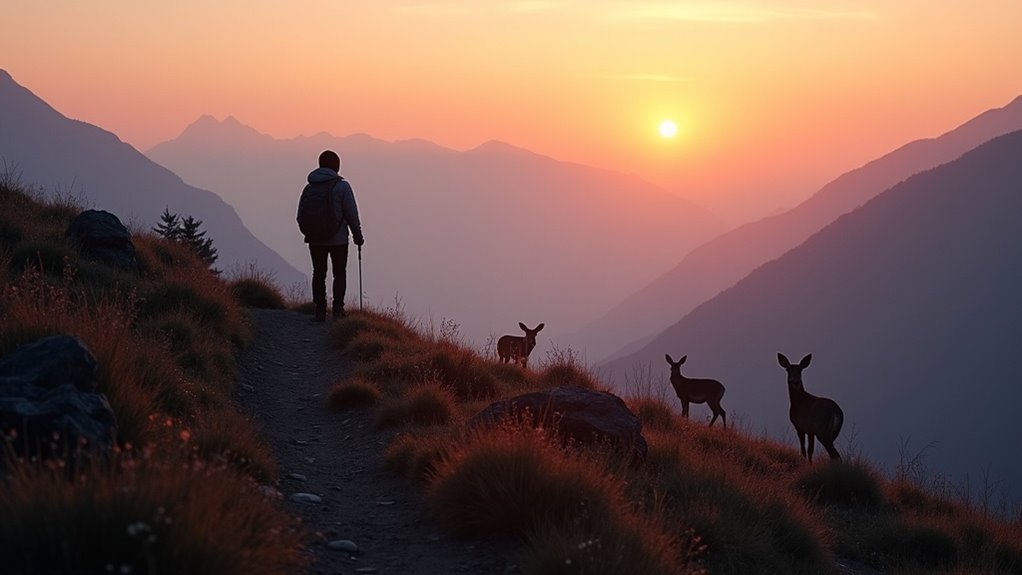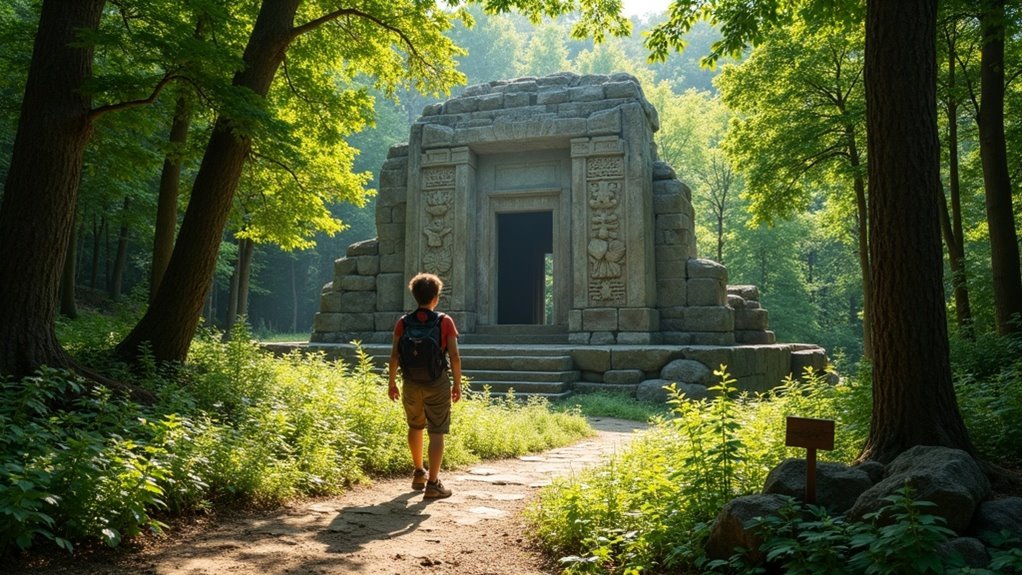
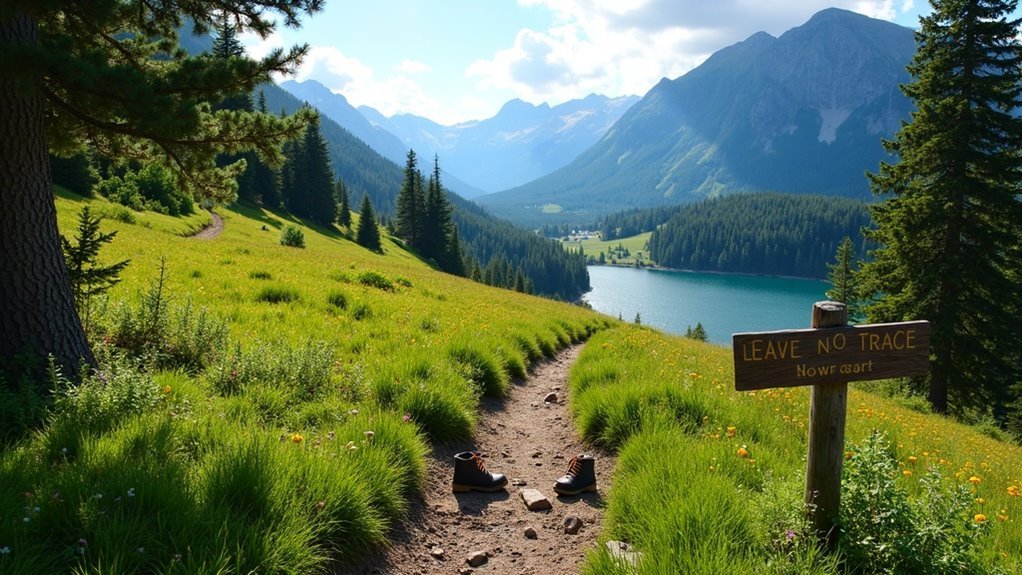
Leave No Trace principles for hiking help you enjoy nature while preserving it. You should plan ahead and prepare for your trip, stick to established trails, and camp on durable surfaces. Make sure to pack out all waste, including food scraps, and dig catholes for human waste away from water sources. It’s important to leave natural and cultural treasures undisturbed and minimize campfire impacts. By following these guidelines, you’ll help protect the environment for future adventurers. Discover more on these essential practices!
Key Takeaways
- Research your destination, terrain, and regulations to prepare for a safe and responsible hiking experience.
- Stick to established trails and durable surfaces to minimize soil erosion and preserve nature.
- Pack out all trash and leftover food, and dispose of human waste properly to protect the environment.
- Leave natural and cultural artifacts undisturbed to maintain the integrity of the wilderness for future visitors.
- Use lightweight stoves for cooking, and keep campfires small and contained to reduce environmental impact.
Plan Ahead and Prepare
When you plan ahead and prepare for your hike, you not only enhance your safety but also enrich your overall experience.
Start by researching your destination, understanding the terrain, and checking weather forecasts. Knowing the regulations, including fire restrictions and wildlife considerations, guarantees responsible hiking.
Research your destination, understand the terrain, and check weather forecasts to ensure responsible hiking and a safe adventure.
Allocate enough time for your hike to allow for proper campsite selection, minimizing risks of maneuvering in darkness. Meal planning and food repackaging help create minimal trash and support Leave No Trace principles.
Finally, match the outing difficulty to everyone’s skill level, securing a comfortable and safe adventure for all involved.
Travel and Camp on Durable Surfaces
To protect our beautiful landscapes while hiking and camping, always stick to established trails and durable surfaces. By doing so, you minimize soil erosion and safeguard fragile ecosystems.
Choose surfaces like rock, gravel, dry grass, or snow for both hiking and camping to reduce damage to vegetation. When hiking in muddy areas, walk through the mud rather than around it; this helps maintain trail integrity and prevents widening.
Concentrate your activities in high-use areas, ensuring you’ve chosen locations resilient to wear and tear. Your efforts can markedly reduce human impact, preserving nature for future generations to enjoy.
Dispose of Waste Properly
Sticking to durable surfaces while hiking is just one part of minimizing your impact on the environment. You must also dispose of waste properly. Follow the “pack it in, pack it out” principle, taking all trash and leftover food with you. For human waste, dig a cathole 6-8 inches deep, at least 200 feet away from water sources, trails, and campsites. Remember to pack out all toilet paper and hygiene products. Wash dishes with biodegradable soap at least 200 feet from water sources. Here’s a quick guide:
| Action | Distance | Notes |
|---|---|---|
| Cathole for waste | 200 feet | Dig 6-8 inches deep |
| Dispose toilet paper | Pack it out | Doesn’t decompose quickly |
| Wash dishes | 200 feet | Use biodegradable soap |
Leave What You Find
Why take something from nature when you can leave it just as you found it? Embracing the principle of “Leave What You Find” helps preserve our natural world and cultural or historic treasures.
When you encounter archaeological artifacts or unique landscapes, appreciate them without disturbing their integrity. Avoid digging trenches or building unauthorized structures, as this can harm the environment.
Instead, focus on enjoying the beauty around you. By practicing this principle, you guarantee that future visitors can experience the same wonders you did, maintaining the integrity of the wilderness for generations to come.
Leave, don’t take—it’s a simple yet profound choice.
Minimize Campfire Impacts
When you’re out in nature, using lightweight camp stoves for cooking can greatly reduce your impact on the environment.
If you do have a campfire, always stick to established fire rings to prevent damaging the surrounding area. Keeping your fires small and contained will help protect the ecosystem while still enjoying the warmth and ambiance of a fire.
Use Camp Stoves
Camp stoves are the unsung heroes of backcountry cooking, offering a cleaner and more efficient alternative to traditional campfires.
By choosing to use camp stoves, you can minimize campfire impacts while protecting the quality of the environment.
Here are three reasons to opt for camp stoves:
- Reduced Wildfire Risk: Camp stoves drastically lower the chance of starting wildfires.
- Less Smoke: They produce minimal smoke, keeping the air cleaner for you and wildlife.
- Waste Management: You can easily waste properly without leaving a trace.
Opt for camp stoves to enjoy cooking while respecting existing trails and the surrounding ecosystem.
Choose Established Fire Rings
To minimize your impact on the environment while enjoying a campfire, always choose established fire rings or fire pans.
These designated areas help protect surrounding vegetation and reduce fire danger. When camping, make certain you use only dead and downed wood found on the ground, keeping your fire small and manageable.
Always check local regulations regarding campfires, as some areas may have restrictions due to environmental concerns.
Before leaving your campsite, fully extinguish the fire, making sure the ashes are cool to the touch.
Respect Wildlife
When hiking, it’s essential to observe wildlife from a distance to avoid stressing them and disrupting their natural behaviors.
Safeguard your food in bear-proof containers to prevent attracting animals and keep the wilderness safe and clean.
Observe From a Distance
While enjoying the beauty of nature, it’s crucial to observe wildlife from a distance, as this approach minimizes stress and disruption for the animals.
By maintaining a safe distance, you allow them to maintain their natural behaviors. Here are some tips to respect wildlife:
- Keep at least 100 yards away from large animals like bears and moose.
- Never feed wildlife, as it can create dangerous habits and dependency on human food.
- During sensitive times, like nesting or birthing seasons, increase your distance to avoid disturbing vulnerable species.
Secure Food Storage
Securing your food is essential for protecting both yourself and wildlife while hiking. Use bear-resistant canisters or hang your food at least 10-15 feet off the ground, ensuring it’s 4-6 feet from tree trunks.
Avoid storing food in tents or near sleeping areas to minimize attracting animals. Pack out all food scraps and waste, including biodegradable materials, to help preserve wildlife behavior and habitats.
To reduce odors, utilize odor-proof bags or containers. Familiarize yourself with local regulations regarding secure food storage, as guidelines can vary.