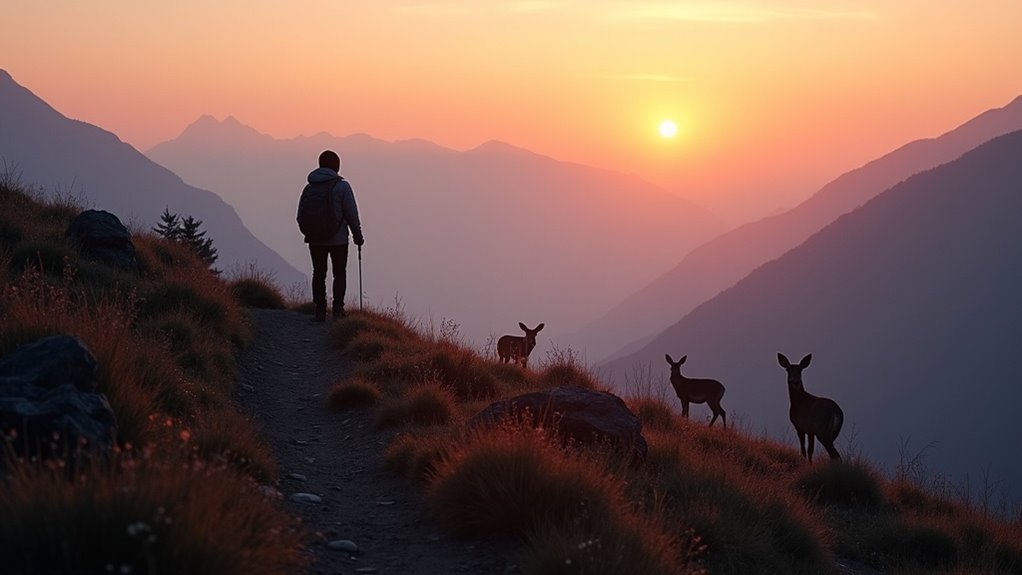

When you hike, your body experiences significant changes. You might lose body fat and improve your heart’s efficiency, leading to a lower resting heart rate. You’ll also enjoy better hormonal balance, reducing stress and elevating your mood. Additionally, your blood sugar levels improve, enhancing energy usage and reducing metabolic disorder risks. Beyond physical benefits, hiking can lift your spirits and boost your creativity. There’s so much more to explore about these transformations.
Key Takeaways
- Hiking can lead to a significant reduction in body fat, with some individuals losing up to 15 pounds.
- Your resting heart rate may drop significantly, indicating improved cardiovascular efficiency and endurance.
- Hiking helps regulate blood sugar levels, leading to lower hemoglobin A1c and reduced risk of metabolic disorders.
- The physical exertion of hiking can reduce cortisol levels, enhance testosterone production, and improve overall hormonal balance.
- Mental health benefits include reduced anxiety, improved mood, increased creativity, and enhanced self-esteem from achieving hiking goals.
Body Composition Changes
When you commence on a hiking journey, your body undergoes remarkable changes that can transform your overall health.
As you trek, you may notice a significant reduction in body fat; in fact, some hikers lose up to 15 pounds, improving their fat-burning efficiency. Your body begins to utilize fat as an energy source, enhancing your metabolic state.
Alongside body composition shifts, you’ll experience better blood sugar levels, with reductions in indicators like hemoglobin A1c, moving you closer to a healthier range.
This journey not only reshapes your body but also empowers you to serve others through improved well-being.
Heart Rate Adaptations
As you embrace the challenge of hiking, your heart undergoes significant adaptations that enhance your cardiovascular efficiency.
You might notice your resting heart rate drops, indicating improved heart function—some even see it fall from 48 to 40 beats per minute.
Hiking boosts your heart’s ability to pump blood, making standard runs feel easier.
Hiking enhances your heart’s pumping power, transforming routine runs into effortless adventures.
You’ll also find your body shifts from burning fat to carbohydrates at higher heart rates, improving fat utilization even during intense efforts.
These changes contribute to greater endurance, allowing you to tackle longer hikes and serve others by sharing your love for the great outdoors.
Hormonal Fluctuations
When you hit the trails, your body undergoes remarkable hormonal shifts that boost both your mental and physical well-being.
With cortisol levels dropping considerably, you’ll feel less stressed and more resilient, while testosterone surges can enhance your energy and muscle growth.
This natural hormonal cocktail not only elevates your mood but also sharpens your overall performance, making every hike a rewarding experience.
Cortisol Level Reduction
Hiking doesn’t just elevate your mood; it also plays an important role in regulating your hormones, particularly cortisol. When you hike, your cortisol levels can drop by 40%, greatly reducing stress. This hormonal shift is essential for your overall well-being.
The combination of physical exertion and exposure to nature during your hike promotes a healthier hormonal balance. As you enjoy the trails, you’re not only boosting your heart efficiency but also cultivating a more resilient mindset.
Embrace hiking as a powerful tool for cortisol level reduction, enhancing your mental health and allowing you to serve others with renewed energy and focus.
Increased Testosterone Production
After experiencing a significant drop in cortisol levels, your body is primed for a surge in testosterone production.
This increased testosterone production can more than double during prolonged hiking, leading to enhanced energy, improved libido, and muscle growth.
As you immerse yourself in nature, both physical exertion and the serene environment boost your hormonal balance, supporting recovery and performance.
You’ll notice increased fat utilization during your hikes, enabling efficient energy expenditure and improved endurance.
Embracing this change not only elevates your physical capabilities but also empowers you to serve others better, fostering a stronger, healthier community around you.
Enhanced Stress Resilience
As you immerse yourself in the natural world, your body undergoes remarkable changes that enhance stress resilience through hormonal fluctuations. Hiking every day can greatly lower cortisol levels by 40%, reducing stress. Simultaneously, testosterone levels double, boosting energy and mental performance. Your resting heart rate improves from 48 to 40 beats per minute, indicating better cardiovascular efficiency.
| Hormone | Before Hiking | After Hiking |
|---|---|---|
| Cortisol | High | Low |
| Testosterone | Low | High |
| Heart Rate | 48 bpm | 40 bpm |
These changes support emotional regulation and lower anxiety levels.
Blood Sugar Regulation
While you enjoy the breathtaking views and fresh air, your body is busy making significant strides in blood sugar regulation. Hiking boosts your ability to manage blood sugar levels, helping drop hemoglobin A1c from prediabetes to normal.
With around 2,500 calories of carbs and 50,000 calories of fat stored, you enhance your body’s efficiency in utilizing these energy sources. Consistent activity, like post-hike walks, proves more effective for blood sugar management every day.
After just 29 days of hiking, you not only feel great but also reduce the risk of metabolic disorders, empowering you to serve others with energy.
Metabolic Efficiency Improvements
After a good hike, you might notice a remarkable boost in your body’s metabolic efficiency.
Your ability to burn fat improves considerably, allowing you to tap into those energy reserves even at higher intensities.
Plus, with better blood sugar regulation, you’re not just feeling great; you’re also setting yourself up for long-term health benefits.
Enhanced Fat Utilization
When you hit the trails for a prolonged hike, your body undergoes impressive metabolic changes that enhance fat utilization.
After a challenging hike, fat burning can soar to 91% at a lower heart rate of 110 bpm, greatly improving your endurance. You’ll notice that your crossover point for fat and carbohydrate burning shifts, allowing you to push harder at higher intensities.
Even at maximum effort, your body still taps into fat for 25% of its energy. This means less food weight to carry, empowering you to focus on the journey and serve others while enjoying nature’s beauty.
Blood Sugar Regulation
As you traverse the trails, your body not only revels in the beauty of nature but also experiences a remarkable transformation in blood sugar regulation.
Hiking boosts your daily activity levels, enhancing metabolic efficiency and promoting effective blood sugar management. If you’ve started with prediabetes, you may find that your hemoglobin A1c levels drop into the normal range after consistent hiking.
Post-hike, your body becomes adept at utilizing fat for energy, reducing carbohydrate reliance.
Mental Health Benefits
Hiking offers a remarkable boost to your mental health, especially since it combines physical activity with the calming effects of nature.
The mental health benefits are profound; you’ll find anxiety levels dropping and your mood enhancing as you immerse yourself in the outdoors. This experience promotes mindfulness, allowing you to disconnect from stress and gain mental clarity.
With each step, you’ll notice increased creativity and problem-solving skills. Plus, the sense of accomplishment you feel when reaching a summit can greatly improve your self-esteem.
Recovery and Nutrition Strategies
After enjoying the mental health benefits of hiking, it’s important to focus on how to recover and nourish your body.
Prioritize nutrition by incorporating fruits, vegetables, and lean proteins into your meals while steering clear of excess snacks from your hike. Your metabolic rate will remain elevated, so avoid drastic calorie cuts during recovery.
Quality sleep is essential—maintain a dark, consistent sleeping environment to enhance rest and overall functioning.
Finally, gently reintroduce moderate exercise after resting to heal any overuse injuries and sustain your fitness levels. Embrace this recovery phase; your body deserves it!