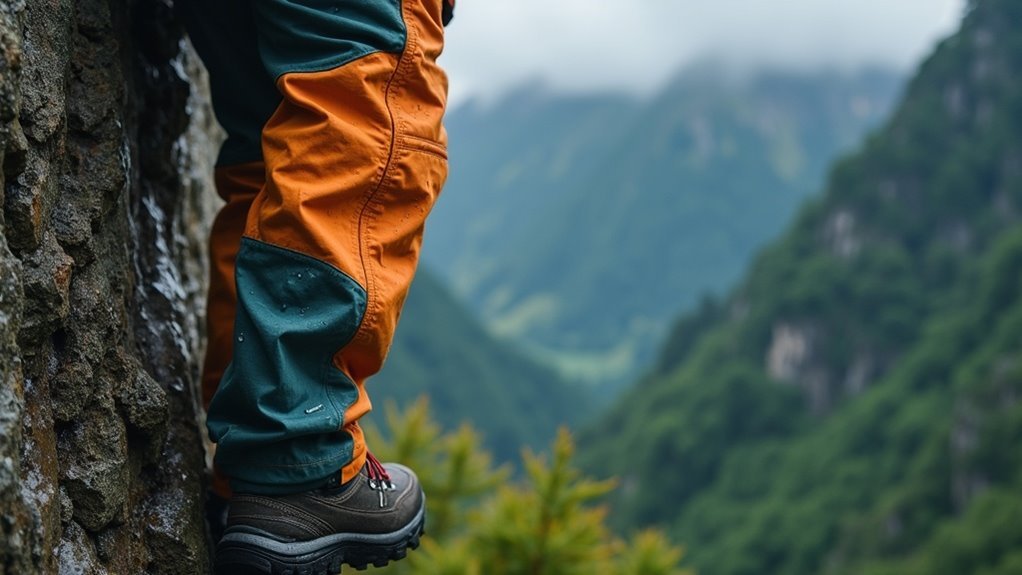
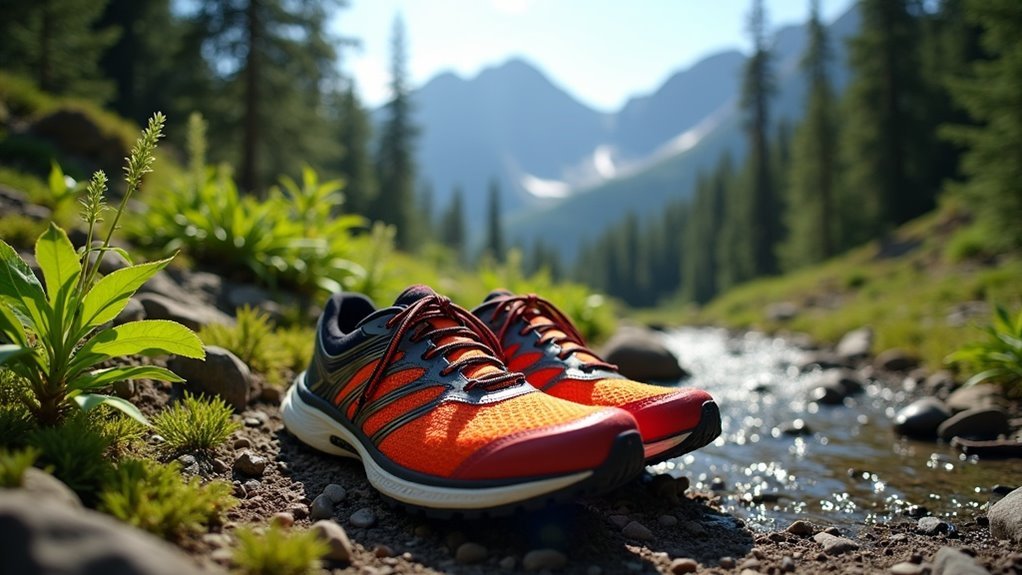
You can use running shoes for hiking on smoother trails, but they’re not the best choice for rough terrain. They lack the durability, support, and traction offered by hiking footwear, which is designed for more challenging conditions. For shorter hikes, running shoes may suffice, but for longer treks or variable weather, hiking shoes are advisable for stability and protection. If you’re curious about the best footwear options and when to choose them, there’s more to explore.
Key Takeaways
- Running shoes can be used for short hikes on smooth trails but may lack the necessary support for rugged terrain.
- They are lightweight and breathable, making them comfortable for quick hikes in dry conditions.
- However, running shoes provide less ankle support and stability compared to hiking shoes, increasing the risk of injury on uneven paths.
- For long-distance hikes, hiking shoes are preferable due to their durability and protective features against harsh conditions.
- Assess the trail conditions and personal comfort to determine if running shoes are suitable for your hiking needs.
Running Shoes vs. Hiking Footwear
When it comes to choosing the right footwear for outdoor adventures, understanding the differences between running shoes and hiking footwear is fundamental.
Running shoes are built for speed on smooth surfaces, featuring lightweight designs and breathable materials. In contrast, hiking shoes offer rugged outsoles with superior traction, vital for uneven terrain.
Additionally, hiking footwear provides enhanced durability, weather resistance, and significant ankle support—features often lacking in running shoes.
While running shoes can be adequate for easy trails, they may not deliver the necessary stability and grip for more demanding hikes.
Choose wisely to guarantee safety and comfort on your outdoor excursions.
The Pros of Hiking-Specific Footwear
Choosing the right footwear for your hiking adventures can greatly enhance your experience, and hiking-specific footwear offers distinct advantages over running shoes. Hiking shoes feature rugged outsoles for superior traction, ensuring stability on steep or slick terrains. They’re often made from durable, weather-resistant materials, providing better protection against outdoor elements. With added support and toe protection, hiking shoes safeguard your feet from impacts, unlike trail running shoes. Additionally, their waterproof properties keep you dry in wet conditions, making them ideal for unpredictable weather.
| Feature | Hiking Shoes |
|---|---|
| Traction | High |
| Durability | Excellent |
| Support | Enhanced |
| Toe Protection | Included |
| Waterproofness | Yes |
Best of Both Worlds: Hiking Sneakers
Hiking sneakers offer a hybrid solution that combines the best features of hiking boots and trail runners, ensuring you’re equipped for diverse terrains.
Their lightweight and durable design enhances agility while providing necessary support, making them a practical choice for various hiking conditions.
With advanced traction outsoles, these sneakers not only perform well on casual outings but also tackle more rugged paths effectively.
Hybrid Footwear Benefits
While you might think that hiking boots are the only option for outdoor adventures, hybrid footwear like hiking sneakers offers a compelling blend of agility and protection.
These shoes combine the lightweight comfort of trail runners with the durability of hiking shoes. For instance, the KEEN NXIS Speed includes a rubber toe bumper for enhanced safety, while the Wasatch Crest features a bruise plate to stabilize your footing on rocky trails.
Additionally, models like the Terradora cater specifically to women’s biomechanics, providing an ideal fit. Their superior breathability also makes them perfect for warmer conditions, keeping you comfortable on longer hikes.
Versatile Terrain Performance
When you tackle diverse terrains, having the right footwear can greatly influence your experience.
Hiking sneakers blend the lightweight breathability of running shoes with the rugged traction and toe protection needed for hiking. Models like KEEN’s NXIS Speed feature a rubber toe bumper for agility, while the Wasatch Crest incorporates a bruise plate for stability on rocky paths.
Tailored for women, Terradora offers comfort and support without sacrificing versatility.
Lightweight and Durable Design
The lightweight and durable design of hiking sneakers makes them an excellent choice for outdoor enthusiasts who want to traverse various terrains without the bulk of traditional hiking boots.
These shoes blend the breathable features of running footwear with essential ruggedness. Models like KEEN’s NXIS Speed incorporate a rubber toe bumper for protection, while the Wasatch Crest enhances stability on rocky trails with its bruise plate.
Designed with biomechanics in mind, the Terradora offers a tailored fit for women, ensuring comfort and performance.
Hiking sneakers strike the perfect balance between running shoe comfort and the durability needed for adventurous trails.
Comfy Feet Are Happy Feet
Choosing the right footwear is vital for guaranteeing your comfort on the trails, as supportive shoes provide the necessary stability for your feet.
Proper footwear should support the heel, big toe base, and pinky toe base, enhancing your balance on uneven terrain. Good ankle support reduces fatigue, allowing you to enjoy longer hikes without discomfort.
Breathable materials are more effective than hiking boots in preventing moisture buildup, minimizing the risk of blisters. A well-fitted pair of shoes guarantees ideal foot function, creating a happy hiking experience.
Advantages of Running Shoes for Hiking
When you choose running shoes for hiking, you benefit from their lightweight design, which enhances your agility and reduces fatigue over long distances.
The enhanced cushioning support absorbs impact forces, making each step more comfortable across various terrains.
Additionally, their versatility allows you to tackle both trail and off-trail conditions effectively, ensuring a reliable performance no matter where your hike takes you.
Lightweight Design Benefits
Although many hikers opt for traditional boots, running shoes offer significant lightweight design benefits that can enhance your hiking experience. Their reduced weight decreases fatigue during long-distance hikes, making them perfect for fast-paced adventures. The breathable materials promote airflow, keeping your feet cooler and drier. Here’s a quick overview of the advantages:
| Feature | Benefit |
|---|---|
| Lightweight Design | Reduces fatigue during hikes |
| Breathable Materials | Enhances comfort on warm days |
| Flexibility | Allows natural foot movement |
| Versatility | Performs well on various terrains |
| Cushioning Technology | Absorbs impact, protecting joints |
Incorporating trail shoes can truly elevate your hiking experience.
Enhanced Cushioning Support
Enhanced cushioning support in running shoes plays an essential role in improving your hiking experience, especially over long distances.
These shoes offer advanced technologies like DNA Loft or Fresh Foam, which provide superior shock absorption, reducing impact forces during your hikes. This enhanced cushioning minimizes fatigue, allowing you to cover more ground comfortably.
Additionally, the lightweight design and breathable materials keep your feet dry, enhancing overall comfort. Supportive features, such as GuideRail technology and wider midsoles, further enhance stability on various surfaces.
Versatile Terrain Adaptability
Running shoes excel in versatile terrain adaptability, making them a smart choice for hikers who encounter a mix of trail conditions.
Their lightweight design reduces fatigue, allowing you to move more easily across varied terrains. The cushioning absorbs impact forces, enhancing comfort while protecting your feet from harsh conditions.
Breathable materials keep your feet cooler and drier in warm or humid weather, which is essential for long hikes. Additionally, the flexible construction of running shoes promotes agility, enabling quick foot placement on less technical trails.
This versatility makes running shoes an excellent option for multi-environment performance.
When to Choose Running Shoes vs. Hiking Shoes
How do you decide between running shoes and hiking shoes for your outdoor adventures? Consider these factors:
- Trail Condition: Smooth trails? Running shoes can suffice. Rugged terrain? Go for hiking shoes.
- Speed vs. Stability: Need to move quickly? Running shoes win. For stability and grip, hiking shoes are best.
- Ankle Protection: Hiking shoes offer better ankle support, essential for challenging routes.
- Distance: Short hikes favor running shoes; longer treks call for the durability of hiking shoes.
Evaluate your specific needs to guarantee you’re equipped for the journey ahead!
Shoe Spotlight: Brooks Adrenaline GTS
When you’re seeking a shoe that effortlessly blends performance and comfort for your hiking adventures, the Brooks Adrenaline GTS stands out as an exceptional choice.
This running shoe features GuideRail technology in the heel, enhancing stability and support on varied terrains. With DNA Loft cushioning, it offers a soft, cloud-like comfort that absorbs impact forces, making it perfect for long-distance hikes.
Its versatility allows it to perform well on both trails and roads, ensuring a smooth experience. The Brooks Adrenaline GTS appeals to hikers who desire reliability and style, accommodating different hiking conditions without compromising on performance.