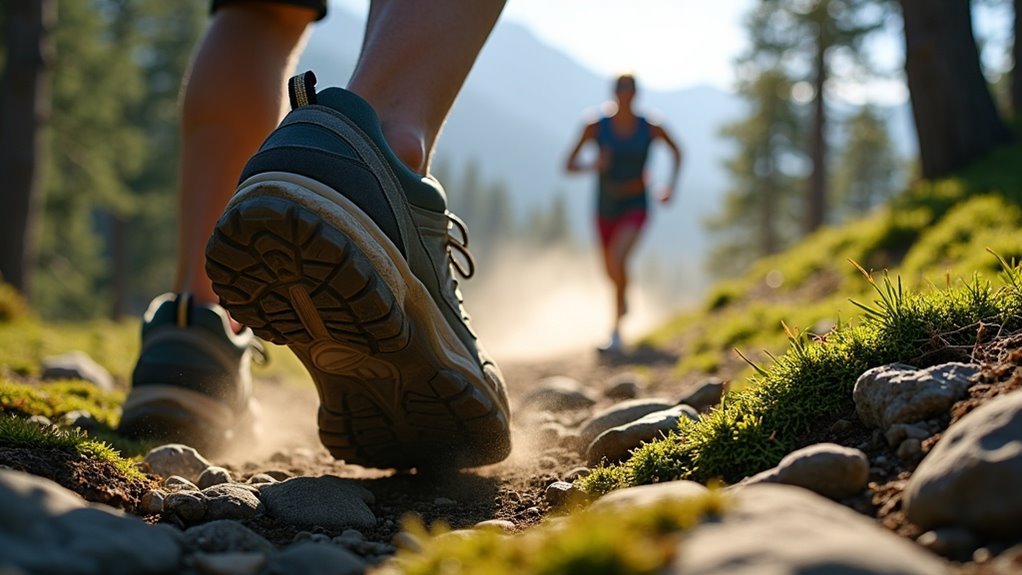
Yes, you can run in hiking shoes. They offer excellent traction and ankle support, making them suitable for rugged terrains. However, their bulkiness and limited flexibility can slow you down and cause discomfort over longer distances. While they’re great for short runs on uneven surfaces, you might struggle with breathability and natural foot movement compared to trail running shoes. If you’re interested in how to choose the right pair and shift effectively, stay tuned for more insights.
Key Takeaways
- Yes, you can run in hiking shoes, especially on rugged terrains where stability and traction are essential.
- Hiking shoes provide excellent ankle support, reducing the risk of sprains during uneven trail runs.
- They offer superior grip and protection against sharp objects, enhancing overall running safety.
- However, their bulkiness and stiffness may hinder speed and flexibility compared to trail running shoes.
- It’s best to use hiking shoes for short, rugged runs rather than long-distance running.
Understanding Hiking Shoes
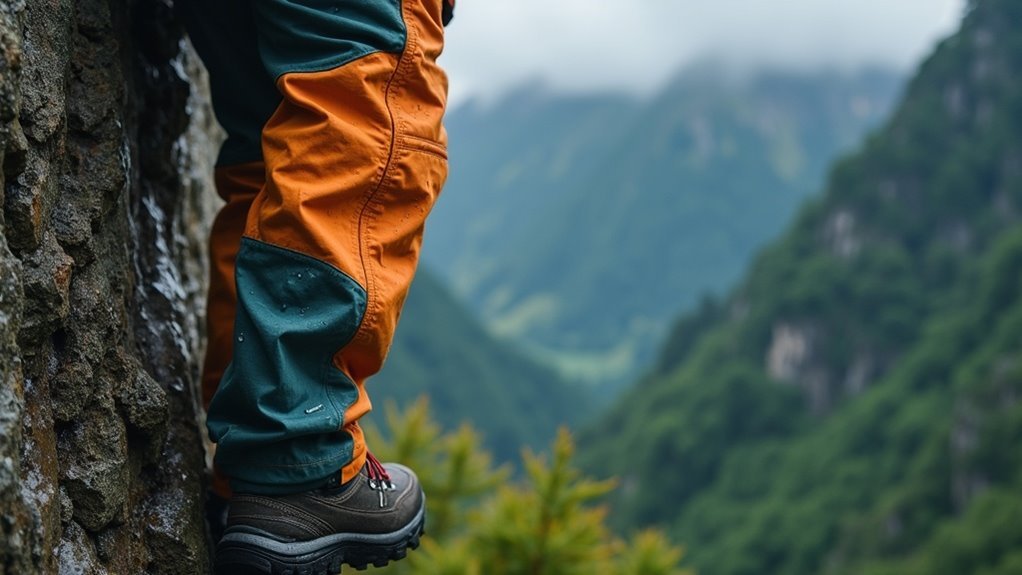
When you step into hiking shoes, you’re choosing footwear specifically engineered for rugged terrain.
Choosing hiking shoes means opting for footwear designed to tackle rugged terrain with support and stability.
These shoes provide excellent ankle support and stability, essential for traversing uneven trails. Their design typically features thicker materials, making them heavier and more rigid than trail runners, which enhances protection on challenging surfaces.
With thick lugs for superior traction, hiking shoes grip slippery or rocky ground effectively.
While their durability allows for short, rugged runs, their bulk may limit flexibility and speed compared to lighter trail runners.
Understanding these differences helps you select the right footwear for your outdoor adventures, ensuring safety and comfort.
Benefits of Running in Hiking Shoes
Running in hiking shoes offers distinct advantages, especially when traversing uneven trails. Their superior traction prevents slips on rocky surfaces, ensuring stability during your runs.
You’ll appreciate the additional ankle support these shoes provide, which helps maintain balance and reduces the risk of sprains on tricky terrain.
The sturdy construction of hiking shoes allows you to navigate steep inclines and sharp turns effectively, making them suitable for short, rugged runs.
While they may feel bulkier than standard running shoes, the added protection against sharp objects enhances your overall running experience in challenging conditions.
Drawbacks of Running in Hiking Shoes
Running in hiking shoes comes with several drawbacks that can impact your performance.
Their bulkiness and weight can slow you down, while limited flexibility may lead to discomfort during quick movements.
Additionally, reduced breathability can cause overheating, making long runs in warmer conditions particularly challenging.
Bulkiness and Weight Issues
Hiking shoes often weigh considerably more than trail runners, which can hinder your speed and overall performance during runs. Their bulkiness adds unnecessary weight that can lead to fatigue, especially over long distances. This added weight makes hiking shoes less suitable for extended running sessions.
Additionally, the stiffer soles designed for stability on rugged terrain can restrict your natural foot movement, affecting running efficiency. Moreover, the thicker construction of hiking shoes may trap heat and moisture, causing discomfort during warm weather runs.
Ultimately, if speed and agility are your goals, consider lighter alternatives to hiking shoes.
Limited Flexibility and Comfort
While many enjoy the rugged support of hiking shoes on trails, their limited flexibility can be a significant drawback when used for running. The stiffer soles restrict natural foot movement, leading to discomfort and potential foot strain. This rigidity, combined with added weight, can slow you down and increase the risk of blisters during longer runs.
| Feature | Hiking Shoes |
|---|---|
| Flexibility | Limited |
| Comfort | Often uncomfortable |
| Weight | Bulky |
| Risk of Injury | Increased |
| Breathability | Generally poor |
Consider these factors before choosing hiking shoes for your running endeavors.
Breathability and Heat Retention
When choosing footwear for your runs, it’s important to take into account breathability, as many hiking shoes fall short in this crucial area.
Consider these drawbacks:
- Heat Retention: Hiking shoes often trap heat, leading to discomfort and potential overheating during runs.
- Moisture Buildup: Their durable materials can impede airflow, resulting in damp feet over long distances.
- Limited Ventilation: The bulkier design restricts airflow, making them unsuitable for warm weather.
These factors can contribute to blisters and foot fatigue, so if you’re planning to run, prioritize breathability and comfort over the rugged features of hiking shoes.
Key Features to Look For
Choosing the right features in hiking shoes for running is essential for optimizing your performance and comfort on varied terrains.
Look for a durable sole with thick lugs to enhance grip and stability on uneven surfaces. Lightweight materials are vital for breathability, preventing overheating and moisture buildup.
Make sure your hiking shoes have adequate midsole cushioning for effective shock absorption, reducing impact on your joints. A secure fit is necessary to prevent foot sliding, which can lead to blisters.
Finally, choose flexibility in design, as rigid shoes can restrict movement, hindering your performance compared to trail running shoes.
Comparing Hiking Shoes and Trail Running Shoes
When comparing hiking shoes and trail running shoes, consider their weight and flexibility differences first.
Trail running shoes are lighter and designed for flexibility, which enhances your speed and agility on varied terrain.
In contrast, hiking shoes offer more support and traction but may lack the breathability and comfort needed for longer runs.
Weight and Flexibility Differences
While both hiking shoes and trail running shoes serve specific purposes, their weight and flexibility differences greatly impact performance.
Here’s how they compare:
- Weight: Hiking shoes are bulkier and heavier, slowing down your speed and agility, while trail running shoes are designed to be lightweight for quicker movement.
- Flexibility: Hiking shoes often lack flexibility due to their stiffness, which can cause discomfort during runs. In contrast, trail running shoes allow for natural foot movement.
- Durability vs. Performance: Hiking shoes prioritize durability, which may hinder performance in speed-oriented activities, unlike the responsive design of trail running shoes.
Traction and Support Levels
Understanding the differences in traction and support levels between hiking shoes and trail running shoes is essential for optimizing your outdoor experience.
Hiking shoes feature thick lugs for superior traction on rugged terrain, while trail running shoes typically have a minimal tread, which may struggle on steep surfaces. The durable rubber outsoles of hiking shoes enhance grip in various conditions, whereas trail runners often use sticky rubber for wet environments.
Hiking shoes provide more ankle support due to their higher design, promoting stability on challenging trails, while trail running shoes prioritize flexibility and speed, offering less overall support during aggressive movements.
Breathability and Comfort Factors
Breathability and comfort are essential factors to assess when choosing between hiking shoes and trail running shoes, especially if you plan to cover long distances.
Here’s what to evaluate:
- Material: Trail running shoes often use moisture-wicking materials and mesh uppers, enhancing breathability.
- Flexibility: The lightweight design of trail running shoes promotes agility, offering greater comfort for running.
- Temperature Regulation: With better airflow, trail running shoes help keep your feet cool, reducing discomfort during high-intensity activities.
Ultimately, if you prioritize breathability and comfort, trail running shoes are generally the better choice for running on rugged terrains.
Terrain Considerations for Running
When choosing terrain for running in hiking shoes, several factors come into play that can considerably impact your performance and safety.
Hiking shoes excel on rugged terrains due to their thick lugs, providing excellent traction on steep inclines and uneven surfaces. The added ankle support enhances stability, reducing the risk of injuries like sprains.
Hiking shoes offer superior traction on rugged terrains, ensuring stability and reducing injury risks on steep and uneven surfaces.
However, be mindful that the bulkier construction might limit your speed and agility compared to specialized running shoes.
Additionally, weather conditions, such as wet or muddy trails, can affect grip, so consider the terrain’s texture and moisture levels to guarantee a safe running experience.
Recommended Hiking Shoes for Running
Choosing the right hiking shoes for running can greatly enhance your experience on rugged trails. Here are three recommended options that blend performance with durability:
- Merrell Agility Peak 5 – Lightweight with excellent traction, perfect for short runs.
- Antora 3 – Offers enhanced ankle support, ideal for traversing tricky terrains.
- Salomon X Ultra 3 – Features a Vibram® Mega Grip® outsole for superior grip on steep surfaces.
While these hiking shoes provide stability and support, be mindful that they may lack the flexibility and breathability of dedicated trail runners.
This potential lack of flexibility and breathability could impact comfort on longer runs.
Tips for Transitioning to Running in Hiking Shoes
Shifting to running in hiking shoes can be a smooth process if you take the right steps from the start.
Begin by breaking them in around the house to make sure they mold to your feet for added comfort. Gradually increase your running distance, starting with short runs to adapt to the shoes’ weight and rigidity.
Select hiking shoes that fit securely and use moisture-wicking socks to prevent slippage and blisters. Pay attention to the terrain; these shoes excel on rugged surfaces, making them ideal for uneven trails.